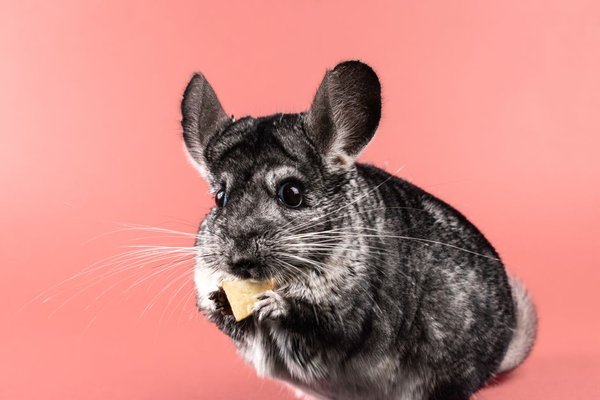
A chinchilla may look eager for every snack you offer, but its digestive system is built for something much less exciting: a steady supply of rough, fibrous plants. The safest chinchilla diet puts grass hay first, adds a measured amount of suitable pellets, and keeps treats genuinely occasional. Getting that balance right supports normal digestion and gives continually growing teeth the chewing they need.
Make Grass Hay the Foundation
Fresh, good-quality grass hay should be available at all times. Its long fibers help food move through the gut, while repeated chewing contributes to normal tooth wear. Pellets cannot replace that work: they break apart more quickly and require less sustained grinding.
Timothy hay is a popular choice, but orchard grass, meadow hay, and other suitable grass hays also work. Variety can encourage a reluctant eater to explore different textures without turning feeding into a buffet of sugary extras.
Choose Hay for Quality, Not Just Type
Look for hay that smells fresh and grassy, with no damp patches, visible mold, or musty odor. A mixture of leaves and stems offers different textures. Store unopened and opened hay somewhere dry and ventilated rather than in an airtight container that traps moisture.
Alfalfa is richer in calcium and protein than typical grass hay. It is not usually the main hay for a healthy adult chinchilla, although growing or nursing animals may need a different plan developed with an exotic-pet veterinarian.
Keep the Hay Accessible
Place chinchilla hay in a secure rack or holder where it stays relatively clean. Replace soiled or stale portions daily, even when some remains. Keep the rack topped up overnight; chinchillas often feed when the household is quiet.
Use Chinchilla Pellets as a Supplement
Choose plain, grass-based chinchilla pellets formulated for the species. A uniform pellet helps prevent selective feeding, where an animal picks tasty ingredients out of a mix and leaves the balanced portion behind. Avoid colorful mixes containing seeds, nuts, dried fruit, or sweet pieces.
For many healthy adults, around one to two tablespoons of pellets per day is a commonly recommended starting point. The right amount depends on body condition, age, activity, and medical needs, so follow your veterinarian’s advice when those factors differ.
Water Is Nonnegotiable
Provide clean drinking water continuously. A securely attached sipper bottle can reduce spills and contamination, but the nozzle must actually work. Check the flow each day and watch your chinchilla drink after refilling it. Some animals may prefer a heavy, stable bowl kept scrupulously clean.
Change water daily and wash bottles, spouts, and bowls regularly to prevent buildup. In warm weather or after cage cleaning, check again that the supply is reachable. Never assume a full bottle means your pet has been drinking.
Keep Chinchilla Treats Small and Infrequent
Chinchillas do not need treats to stay healthy. Their sensitive digestion is a good reason to resist the temptation to share human snacks, even when a pet seems delighted by them. Most rewards can come from interaction, fresh hay, or a safe item to chew.
If you offer an edible treat, choose an appropriate, tiny portion and do so rarely. Some veterinary guidance allows occasional small pieces of certain fresh fruits or suitable greens, while other sources recommend dried herbs or specific forage plants. Because recommendations differ, discuss unfamiliar foods with a veterinarian familiar with chinchillas.
Clean, untreated applewood sticks from a reliable pet supplier can provide an alternative form of enrichment. They are for chewing, not a substitute for hay. A useful companion topic is safe chinchilla chew toys, especially when choosing new cage accessories.
Foods Most Owners Should Avoid
Skip nuts and seeds, which are fatty, along with sugary cereal, cookies, chocolate, and processed human food. Dried fruit is particularly concentrated in sugar, so avoiding it is the cautious choice. Commercial treat mixes can be misleading when their packaging shows a chinchilla but their ingredients resemble dessert.
Sudden large servings of unfamiliar greens, fruits, or other rich foods can also disrupt digestion. Never assume a food is safe merely because rabbits, guinea pigs, or people eat it. Chinchillas have their own nutritional requirements.
Let Droppings and Appetite Guide Your Routine
One of the most practical feeding checks takes only a minute: look at how much hay disappeared, how readily your chinchilla approaches food, and whether it is producing its usual quantity of small, dry droppings. Sudden changes can signal a problem even when the animal still appears alert.
A chinchilla that stops eating, produces markedly fewer droppings, develops diarrhea, drools, or sits hunched should be assessed promptly by an exotic-pet veterinarian. Reduced appetite and gut slowdown can become serious quickly. Do not attempt to fix these signs by adding treats or waiting several days.
A Simple Evening Feeding Example
Imagine you refill the hay rack before bed, provide the measured daily pellet allowance, and replace the drinking water. The next morning, check the hay for damp spots, examine the droppings, and test the bottle nozzle. This small routine reveals more than merely noticing an empty food bowl.
Weekly weight checks using an accurate scale can help you spot gradual changes. Keep a brief record if your chinchilla is older, recovering from illness, or a selective eater. For more context on chewing and appetite, see chinchilla dental health.
Change Foods Slowly
If a familiar pellet brand is discontinued, blend a little of the replacement into the old food and increase it gradually over several days or longer as tolerated. Keep the hay routine stable while making the switch. Watch eating habits and droppings throughout the transition.
Do not introduce a new pellet, hay variety, and treat on the same day. Changing one thing at a time makes it easier to identify what caused a problem. Your chinchilla cage setup also matters: a dry hay station and accessible water source make consistent feeding easier.
Frequently Asked Questions
Can a chinchilla live on pellets alone?
No. Pellets provide useful nutrients, but abundant grass hay supplies essential long fiber and encourages the chewing needed for healthy tooth wear. Offer both, with hay as the main part of the diet.
How often should I refill my chinchilla’s hay?
Check it at least daily and top it up whenever needed. Hay should never run out. Remove portions that are wet, dirty, or stale rather than leaving them in the rack.
Are fruits safe chinchilla treats?
Some veterinary sources permit tiny pieces of certain fresh fruits occasionally, but fruit is not necessary and too much sugar can cause digestive upset. Avoid dried fruit as a routine snack and ask your veterinarian before offering unfamiliar produce.
What if my chinchilla suddenly refuses hay?
Check whether the hay has changed or spoiled, but treat a meaningful appetite change seriously. Dental pain and digestive illness are possible causes. Contact an exotic-pet veterinarian promptly, especially if droppings decrease.
A Steady Diet Beats a Varied Snack Menu
The easiest feeding plan to maintain is also the most sensible: unlimited fresh grass hay, a modest measured portion of species-appropriate pellets, reliable clean water, and very few treats. Pair that with slow food transitions and daily attention to appetite and droppings. Your chinchilla benefits more from consistency than from an ever-changing menu.