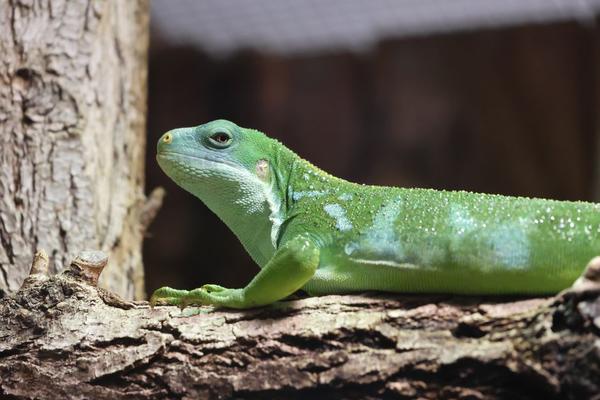
A reptile enclosure can look dry while its air holds too much moisture, or look lush while the animal is breathing air that is too dry. That is why reptile humidity levels need to be measured, not guessed. A hygrometer and a little observation tell you more than condensation on the glass.
The goal is not one perfect number all day. Reptiles move through warmer, cooler, drier, and more humid spaces. Good husbandry gives them appropriate choices while keeping conditions suitable for their species.
What a humidity reading actually tells you
Relative humidity measures water vapor as a percentage of what the air could hold at its current temperature. Warm air can hold more moisture, so an enclosure’s relative humidity may fall when its heating switches on even without water being removed. The reading may rise again as temperatures fall overnight.
A reading of 60% means little without its temperature, location, and timing. Interpret moisture alongside the habitat’s thermal gradient. A reptile temperature gradient guide can help explain how warm and cool zones work together.
Find the right humidity range for your species
There is no universal safe reptile humidity setting. The RSPCA recommends around 30–40% at the cool end for bearded dragons and leopard geckos, while its crested gecko guidance describes a lower daytime baseline with temporary rises after spraying. These are examples, not interchangeable targets.
Even arid-habitat reptiles can need humid microclimates. Leopard geckos benefit from a moist hide during shedding although the surrounding vivarium remains relatively dry. A leopard gecko humid hide setup is therefore often more useful than raising moisture everywhere.
Check current species-specific husbandry guidance, considering the animal’s age, habitat, and shedding needs. Ask a reptile-experienced veterinarian if requirements are unclear. Establish whether a published range applies to general enclosure air or a localized retreat before adjusting equipment.
How to measure terrarium humidity accurately
Choose and position a reptile hygrometer
A digital reptile hygrometer that displays temperature as well as humidity makes monitoring easier. A remote-probe model lets you check conditions near the animal’s resting height without opening the enclosure.
Position sensors away from spray nozzles, heating elements, and wet substrate. In large enclosures, compare warm and cool sides. For climbing species, measure near favored perches rather than relying only on a reading at floor level. A meter directly hit by mist may show a temporary spike.
Check the manufacturer’s accuracy specifications and calibration guidance. If the numbers seem implausible, compare the meter with another reliable instrument after both have settled in the same location. Do not make major habitat changes based on one questionable reading.
Watch the daily pattern
Record readings at consistent times, such as after daytime heating stabilizes and after the usual evening moisture cycle. Note when you misted or replaced substrate. A short log reveals whether a change is persistent or simply part of the normal day-night cycle.
How to raise humidity safely
For species needing higher moisture, make measured changes. Appropriate moisture-retaining substrate, reptile-safe live plants, or a properly prepared humid hide may work better than repeatedly spraying dry air. The hide should feel damp, not waterlogged, and should be cleaned regularly.
Reptile misting helps some species and may provide droplets for animals that drink from leaves. Use clean water, maintain equipment, and follow a schedule suited to the species. Allow surfaces to dry as its care guidance recommends. An automatic mister is not useful if it leaves the enclosure permanently wet.
Consider a crested gecko habitat that becomes more humid after evening spraying, then gradually dries toward its daytime baseline. If the substrate is still soaked the following afternoon, reduce the amount or frequency of spraying instead of chasing a higher display reading.
How to lower excessive humidity
First identify the source. Saturated substrate, frequent misting, poor drainage, a large water feature, or a humid room can all contribute. Remove unwanted standing water, replace persistently soggy bedding, and adjust misting without compromising species requirements.
Ventilation matters too. Merck Veterinary Manual warns against restricting airflow simply to retain heat or humidity because poor ventilation can contribute to disease. Improve appropriate air exchange while preserving temperature gradients and avoiding direct drafts onto the reptile.
Do not solve excess moisture by dramatically increasing heat. The percentage may drop as air warms while the underlying wet conditions remain.
Signs that conditions need attention
Persistent condensation, musty odors, mold, and constantly wet bedding are reasons to inspect airflow and drainage. Repeated difficult sheds can suggest unsuitable humidity, although nutrition, parasites, and illness may also be responsible. Retained skin should never be forcibly peeled away.
Monitor the reptile as closely as the gauge. Wheezing, discharge, skin lesions, unusual lethargy, or recurring shedding problems warrant prompt advice from a reptile-experienced veterinarian rather than misting more and hoping for improvement.
A realistic humidity-check routine
Each morning, compare humidity and temperature with your species’ targets. Check warm and cool areas, inspect the humid hide, and remove waste. After misting, observe how high humidity rises and how quickly it settles. Once a week, examine ventilation openings, drainage, and sensor placement.
Change one factor at a time when possible. If you replace substrate, alter ventilation, and increase misting together, you cannot tell which change worked. For tropical reptiles, a crested gecko enclosure care guide can help translate these principles into an appropriate daily schedule.
Frequently asked questions
What is the ideal humidity for a reptile tank?
It depends on the species and where you measure it. Desert and tropical reptiles differ widely; some dry-habitat animals also need a humid hide. Use reliable species-specific ranges rather than one universal percentage.
Where should a hygrometer go in a terrarium?
Place it near a normal living or resting area, away from direct spray and heat. Use another sensor if the enclosure is large or tall enough to have distinct conditions.
How often should I mist my reptile?
Only as often as the species and enclosure require. Some benefit from a temporary daily increase; others need mostly dry conditions. Let measured trends and drying time guide the schedule.
Can humidity be too high for reptiles?
Yes. Persistently excessive humidity alongside poor airflow and wet substrate can contribute to skin or respiratory problems in susceptible species. High moisture is normal for others, but hygiene and ventilation still matter.
Build a stable habitat, not a perfect reading
Reptile humidity control works best when you understand what the gauge measures, where the animal spends time, and how conditions change over a full day. Measure in meaningful places, provide species-appropriate microclimates, and adjust gradually. A clean, well-ventilated habitat with suitable choices is more valuable than forcing every corner to display the same percentage.