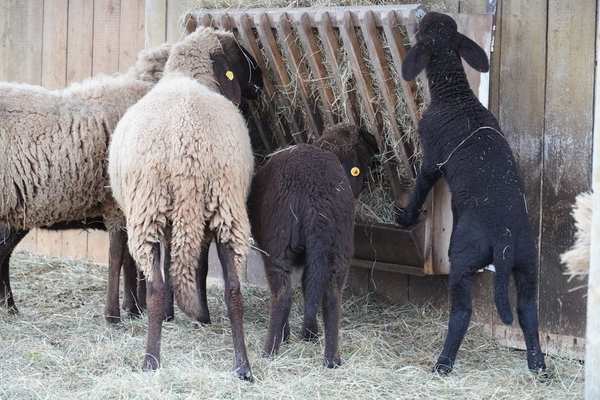
Sheep can thrive on a relatively simple diet, but simple does not mean identical for every animal. A mature ewe resting between breeding seasons needs something different from a ewe carrying twins or a lamb growing rapidly. This sheep feeding guide starts with the feed that matters most—good forage—then explains how sheep-specific minerals, measured supplements, and dependable drinking water complete the picture. The practical goal is to feed for the animal in front of you, not just fill the trough.
Make forage the foundation of the sheep diet
Sheep are ruminants. Microbes in the rumen turn fibrous plants into usable nutrients, so pasture, hay, or suitable preserved forage should underpin the ration. Well-managed grazing often supplies much of what an adult sheep needs for maintenance. When grass growth slows or grazing is unavailable, clean hay helps maintain intake and rumen function.
Not all sheep forage has the same feeding value. Young, leafy plants usually provide more digestible energy and protein than mature, stemmy growth. Legume-rich hay can be particularly nutritious, but may be unnecessary for animals with modest needs. Spoiled, dusty, or moldy hay is not an economical bargain; discard suspect feed rather than risk illness.
Judge quality before adding concentrates
Look at leafiness, smell, storage conditions, and how much the flock actually eats. A forage laboratory test is more useful than appearance alone when planning winter feeding or supporting pregnant ewes. It can reveal energy, protein, and mineral gaps before you spend money on grain. If grazing is patchy, a pasture management for sheep resource can help you plan rotations and reduce waste.
Choose minerals formulated for sheep
Sheep minerals are not interchangeable with cattle or goat products. Sheep need copper, but many breeds are unusually vulnerable to copper accumulating to toxic levels. The safe amount depends on the entire diet and on other minerals, including molybdenum and sulfur. Never assume a high-copper multi-species mix is suitable; ask a veterinarian or qualified livestock nutritionist about local forage and water conditions.
Offer a sheep-labeled mineral supplement according to its directions and monitor consumption. A protected, accessible loose-mineral feeder often works better than a hard block. Calcium, phosphorus, selenium, iodine, and cobalt also matter, but more is not automatically better—excess selenium, for example, can be harmful. A mineral mix cannot fix an energy-deficient ration or make poor hay nutritious.
When is grain for sheep useful?
Grain is a tool, not a requirement for every flock. Adult sheep in good condition may do well on adequate forage, minerals, and water alone. Grain or a properly balanced concentrate can help when forage falls short of the energy demands of rapid growth, late pregnancy, or heavy milk production. Choose supplementation from body condition, forage analysis, and production needs rather than feeding every animal the same scoop.
Introduce concentrates gradually over several days or longer, dividing larger daily amounts into appropriate feedings. Sudden access to a grain bin or a sharp increase in starch can trigger dangerous rumen acidosis. Keep roughage available, store feed securely, and use a sheep-formulated ration. Young males and wethers also need careful mineral balance because urinary stones can be a concern.
Water deserves its own daily check
Clean, fresh water must be available at all times. Intake changes with temperature, the moisture in feed, pregnancy, lactation, and animal size, so a single fixed allowance is unreliable. Sheep eating dry hay commonly drink more than animals grazing lush pasture. Clean troughs, prevent freezing, and check that timid animals can reach water without being pushed away. If a water source is unusually salty or mineral-rich, have it tested.
Adjust feeding as sheep move through life stages
Maintenance and breeding preparation
For healthy nonlactating adults, adequate forage may cover most nutritional demands. Assess body condition by feeling along the backbone and loin rather than relying on fleece-covered appearance. Sheep that are too thin or excessively fat may need a revised plan before breeding. A guide to body condition scoring sheep can make these checks more consistent.
Late pregnancy and lactation
During the final six to eight weeks of pregnancy, fetal growth accelerates while the space available for bulky feed becomes limited. Ewes carrying multiples are especially vulnerable to an energy shortfall. Better-quality forage and, where needed, carefully planned supplements can support them. An off-feed, dull, or weak pregnant ewe needs prompt veterinary attention because pregnancy toxemia can progress quickly.
After lambing, milk production increases nutrient and water demands, especially for ewes rearing twins. Grouping ewes by litter size and body condition can reduce competition and prevent overfeeding animals with lower requirements.
Growing and weaned lambs
Lambs need sufficient energy and protein for steady growth, but their digestive systems must adapt to new feeds. Any creep feed or post-weaning ration should suit lambs specifically and be introduced consistently. Watch intake and manure during transitions. For detailed planning, feeding lambs after weaning is a useful related topic.
A practical check before winter feeding
Imagine a flock with dry ewes and heavily pregnant ewes sharing the same field. The hay looks plentiful, yet the pregnant group is losing condition. Rather than adding grain to every trough, first test the hay, separate higher-demand animals where practical, verify access to sheep-safe minerals and water, then have an adviser formulate any needed supplement. Recheck condition regularly. This approach targets the gap without creating avoidable feed costs or digestive risks.
Frequently asked questions
Can sheep live on grass and hay alone?
Many mature sheep at maintenance can obtain adequate energy and protein from good forage, but they still need clean water and an appropriate mineral supply. Poor-quality forage or increased production demands may require supplementation.
Can sheep use goat or cattle mineral blocks?
Do not substitute them without professional guidance. Copper concentrations and other mineral proportions may be unsuitable for sheep, and long-term excess copper can cause serious poisoning.
How much grain should a sheep eat daily?
There is no universal amount. The right quantity depends on size, forage quality, condition, age, and whether the sheep is pregnant, lactating, or growing. Ask a livestock nutrition adviser to balance the ration.
Why is my sheep eating less hay?
Possible reasons include better pasture availability, unpalatable hay, competition, or illness. Check feed freshness and access first. A sudden appetite drop, particularly alongside weakness or bloating, warrants veterinary advice.
Build the ration around the flock, not the feed bag
A sound sheep feeding plan begins with forage you can evaluate, mineral products made for sheep, and water that is truly accessible. Concentrates should solve a specific nutritional need, not replace roughage. Monitor body condition and make gradual adjustments as pregnancy, lambing, weaning, and seasons change. Small observations made routinely are often more valuable than an elaborate ration that never gets reviewed.