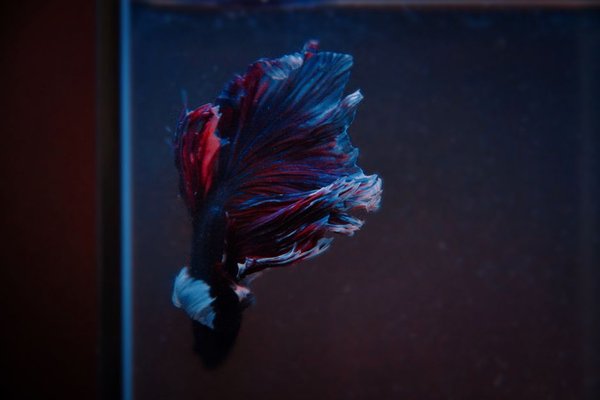
A betta that rushes to the surface at feeding time can look permanently hungry. That enthusiasm is charming, but it is not a reliable portion guide. The best betta fish feeding guide starts with three decisions: choose a complete staple food, offer modest meals, and treat extras as variety rather than a second dinner.
Most healthy adult bettas do well with quality betta pellets once or twice daily. The right number depends on pellet size, so watching what your fish eats matters more than following a universal count.
What Do Betta Fish Eat?
Bettas are primarily insect-eating carnivores. In nature they take insects, larvae, and other tiny animal prey near the water’s surface. A suitable betta fish diet therefore needs animal-based nutrients, not a generic vegetable-heavy fish mix.
Commercial foods made specifically for bettas provide consistent nutrition. Frozen and live foods add interest, but should complement a balanced staple rather than displace it.
Betta Pellets: The Everyday Staple
Look for a reputable betta food labelled as complete or nutritionally balanced. Check that it suits carnivorous tropical fish and that the pieces fit your betta’s mouth. Floating or slow-sinking pellets are usually easier to monitor than food that disappears into gravel.
An advertised protein percentage tells only part of the story. A well-formulated pellet also needs appropriate fats, vitamins, and minerals. Buy a reasonably small container and keep it sealed, cool, and dry; food can lose quality after prolonged storage.
Frozen Foods and Live Foods: Useful Variety
Frozen brine shrimp, daphnia, and bloodworms can make occasional meals more interesting. Thaw a small amount separately, offer only what will be eaten, and discard leftovers rather than refreezing thawed food. Bloodworms are best treated as variety, not the entire menu.
Live foods encourage hunting behavior, but may introduce parasites or other organisms. Choose carefully raised foods from a dependable supplier rather than collecting larvae from puddles. A complete commercial diet remains the simplest foundation for most home aquariums.
Are Flakes or Freeze-Dried Foods Suitable?
Betta-specific flakes can work if complete and readily eaten. They scatter easily, however, so pellets are often more practical. Freeze-dried treats can be offered sparingly, but should not replace the everyday diet. Break oversized food into manageable pieces.
How Often Should You Feed a Betta?
For a healthy adult, one or two small meals per day is a reasonable starting routine. If you feed twice, divide the day’s allowance rather than doubling it. Consistent timing helps you spot appetite changes and prevents family members from accidentally feeding the same fish twice.
Young, growing bettas may need smaller, more frequent feedings than adults. Sick fish require an individualized plan, ideally from a veterinarian experienced with aquatic animals. Routine fasting days are sometimes suggested online, but cannot replace sensible daily portions.
How Much Food Should You Give?
There is no single pellet count that works for every brand. Two large pellets may contain more food than several micro pellets. As a practical starting point, some animal-welfare guidance suggests around two or three small pellets per feeding, once or twice daily, but adjust for pellet size, fish, and package directions.
Offer pellets individually. Your betta should swallow each piece comfortably, without repeatedly spitting it out because it is too large. Stop before food drifts to the bottom uneaten. A portion that disappears promptly is a useful clue, although a fast eater can still overeat.
A Simple Portion-Checking Example
Imagine switching from full-size betta pellets to tiny micro pellets. Copying the old count would not give an equivalent meal. Start with a conservative portion from the new package’s guidance, feed pieces one at a time, and observe body shape and appetite over several days.
If pellets remain after a minute or two, remove them and reduce the next serving. If the fish gradually becomes noticeably thin despite eating, reassess its food and health rather than sharply increasing portions overnight. The goal is healthy condition over time, not a particular count on one morning.
Build a Routine That Protects Water Quality
Feed in the same visible area of the tank so you can count each piece. Keep a note of what was offered when someone else cares for the aquarium. When offering thawed brine shrimp, replace part of the usual pellet portion rather than adding a full treat meal.
Remove uneaten food promptly. It decomposes and contributes to poor water quality, especially in small or inadequately filtered tanks. Feeding and maintenance belong together: testing for ammonia and nitrite, maintaining suitable temperature, and establishing biological filtration all support health. An aquarium water testing guide can help explain the readings.
Signs Your Feeding Plan Needs Adjusting
A consistently rounded abdomen after meals, persistent leftovers, or deteriorating water quality can suggest excess food. Gradual weight loss may mean the fish is not getting enough, cannot swallow the food, or has an underlying health problem. Watch trends rather than judging one meal.
Refusing food deserves attention. Check water temperature and test water quality before assuming your betta is simply fussy. Sudden appetite loss, marked swelling, swimming difficulty, or persistent lethargy warrant advice from a fish-knowledgeable veterinarian. Peas, prolonged fasting, and medications are not automatic remedies for every bloated betta.
Nutrition is only one part of care. A betta tank setup guide and an explanation of the aquarium nitrogen cycle are useful companions when problems keep returning.
Common Feeding Mistakes to Avoid
The biggest error is interpreting begging as proof of hunger. Other pitfalls include changing pellet brands without reconsidering portions, feeding frozen treats as the entire diet, leaving food to decay, and offering oversized pieces. Avoid rules that prescribe an identical pellet count for every fish and product.
Frequently Asked Questions
Can a Betta Fish Eat Only Pellets?
Yes. A high-quality, complete betta pellet can serve as the main diet. Small amounts of suitable frozen or live foods provide optional variety and enrichment, but a constantly changing menu is unnecessary.
Should I Feed My Betta Once or Twice a Day?
Either can work for a healthy adult. Twice-daily feeding means splitting the total allowance into smaller portions, not serving two full daily allowances. Choose a schedule you can maintain and monitor.
Why Does My Betta Spit Out Its Food?
A pellet may be too large or unfamiliar. Try an appropriately sized betta formula and remove rejected food. Repeated difficulty eating, particularly with other symptoms, deserves veterinary attention.
Can Bettas Eat Bloodworms Every Day?
Bloodworms are better used as an occasional supplement than the sole daily diet. They cannot offer the dependable nutritional balance of a well-formulated staple, and extra treats make portions difficult to control.
A Better Meal Is a Measured Meal
Good betta feeding is less about a magic number and more about repeatable observations. Choose a complete staple, feed modest amounts consistently, make room for occasional variety, and remove anything uneaten. When appetite or body shape changes, check the aquarium environment as carefully as the diet. That steady approach makes feeding straightforward and supports your betta’s health.