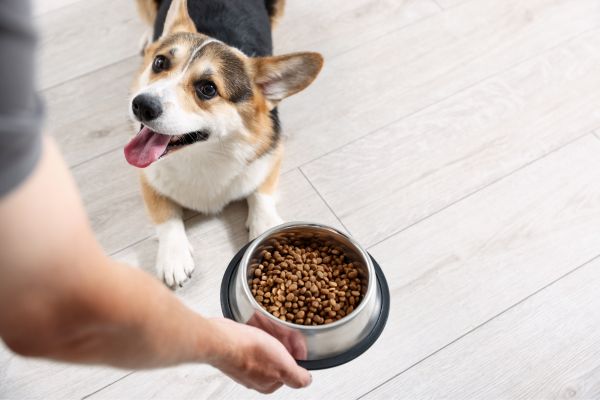
A pet food drive sounds simple at first. You collect bags of kibble, cans of wet food, maybe a few treats, and pass them along to an animal shelter, rescue group, or community pet pantry. But behind that simple idea is something much bigger. For many families, donated pet food can mean the difference between keeping a beloved animal at home and making the heartbreaking decision to surrender them. For shelters, it can stretch limited budgets and make daily care a little easier.
Good pet food drive ideas are not only about gathering as much food as possible. They are about collecting the right food, involving the right people, and making the effort feel personal enough that people want to take part. A thoughtful drive can bring a neighborhood together, support local animals, and remind people that helping pets does not always require a grand gesture. Sometimes, it starts with one extra bag of food placed in a donation box.
Start With the Animals You Want to Help
Before planning a pet food drive, it helps to know where the donations will go. A local animal shelter may need food for dogs, cats, puppies, kittens, senior pets, or animals with sensitive stomachs. A rescue group may be caring for foster animals in private homes. A community pet pantry may be helping families who are struggling to afford food for the animals they already love.
Each group may need something slightly different. Some shelters prefer unopened bags only. Others may accept canned food, treats, litter, or special diet formulas. Many cannot use expired food or opened bags because of safety concerns. A quick conversation with the organization can prevent wasted effort and make the drive much more useful.
This first step also gives your drive a clearer purpose. Instead of saying, “We are collecting pet food,” you can explain that the donations will help shelter dogs through winter, support foster kittens, or keep pets with families in your own community. People respond more warmly when they understand the real need behind the box.
Create a Neighborhood Porch Collection
One of the easiest pet food drive ideas is a neighborhood porch collection. Instead of asking people to travel to a donation site, you make giving as simple as leaving a bag or can of pet food outside their door on a certain day.
A porch collection works especially well in close-knit neighborhoods, apartment buildings, or residential streets where people already recognize each other. You can share the date in a community group, on a local notice board, or through simple printed notes. The tone should feel friendly and low-pressure. Something as small as “Leave unopened pet food by your door before noon” can make participation feel easy.
This type of drive is practical because it removes one of the biggest barriers to donating: inconvenience. Many people are happy to help but forget, get busy, or do not know where to take items. When collection happens right where they live, the idea becomes much easier to say yes to.
Set Up a School or Classroom Challenge
Schools can turn a pet food drive into a meaningful lesson about kindness, responsibility, and community care. A classroom challenge can encourage students to bring in unopened pet food while learning about animal shelters and the needs of pets without homes.
The goal should stay thoughtful rather than overly competitive. Instead of focusing only on which class brings the most items, the drive can highlight why the donations matter. Teachers might invite a shelter volunteer to speak, read age-appropriate stories about animal care, or discuss how pets depend on humans for food, safety, and comfort.
Children often connect strongly with animals, and a school-based drive gives them a way to help in a hands-on manner. Even one can of food brought from home can feel meaningful to a child. It teaches that compassion is not just a feeling. It is something you do.
Invite Local Workplaces to Join In
Offices, shops, clinics, salons, gyms, and small businesses can all become collection points for a pet food drive. A workplace drive does not need to be complicated. A clearly marked box in a break room or reception area can gather donations over a week or two.
This idea works well because people already pass through the location every day. A reminder near the entrance or a short message in a staff chat can keep the drive visible. Some workplaces may choose a theme, such as “Cans for Cats Week” or “Fill the Dog Bowl Friday,” which adds a little personality without making the effort feel forced.
The most successful workplace drives are easy to understand. People should know what to bring, where to leave it, and when the collection ends. A simple sign that lists accepted items can save confusion and help people donate food the shelter can actually use.
Host a Pet Food Drive at a Community Event
A community event gives a pet food drive natural energy. Farmers markets, local fairs, sports games, school events, craft shows, and neighborhood gatherings already bring people together. Adding a donation table can turn that foot traffic into real support for animals.
The key is visibility. A table with a clean sign, empty bowls, photos of adoptable animals, or a small display of needed items can catch attention. People who did not know about the drive in advance may still be willing to help later if they take a flyer or scan a posted wish list.
This kind of drive can also create conversation. People may stop to ask which shelter is being helped, whether they can donate later, or what type of food is best. Those small conversations matter. They spread awareness long after the event ends.
Make It a Birthday or Celebration Drive
A birthday, anniversary, graduation, or holiday gathering can become an opportunity to collect pet food instead of traditional gifts. This idea is especially lovely for animal lovers who already feel they have enough “things” and would rather use the occasion to help pets in need.
Guests can bring a bag of dog food, a few cans of cat food, or a small pet supply item. The celebration still feels personal, but it carries a wider purpose. For children, a birthday pet food drive can be a gentle way to learn generosity. For adults, it can make a familiar event feel more meaningful.
It is important to keep the request warm and optional. A celebration should not make guests feel pressured. A simple note in the invitation explaining that pet food donations are welcome can be enough.
Organize a “One Extra Item” Shopping Drive
Many people are willing to donate when the request is small. A “one extra item” drive asks supporters to add one unopened pet food item to their regular grocery or pet store shopping trip. It could be a can of cat food, a small bag of kibble, or a box of treats from the shelter’s wish list.
This approach works because it feels manageable. Not everyone can buy a large bag of food, but many people can add one item. When enough people do the same, the collection grows quickly.
The idea also fits naturally into everyday life. Instead of creating a separate errand, donors simply include the item in a trip they were already making. For busy families, students, and working adults, that convenience can make all the difference.
Use Clear Donation Guidelines
A pet food drive becomes more successful when people know exactly what is needed. Clear guidelines help avoid expired food, opened packaging, unsafe items, or brands the shelter cannot use.
Most organizations prefer unopened food in original packaging. Many welcome dry food, canned food, puppy food, kitten food, and sometimes special formulas for senior pets or sensitive stomachs. Treats may be accepted too, especially simple training treats. Still, every shelter has its own rules, so it is best to share their specific list.
Posting the guidelines wherever you promote the drive keeps things simple. Instead of vague requests, use plain language. People want to help, and clarity makes helping easier.
Add a Story Without Making It Too Emotional
Stories can make a pet food drive feel real. A short explanation about a shelter’s work, a rescued animal, or a family helped by a pet pantry can give meaning to the donation. The goal is not to make people feel guilty. It is to help them understand the difference their food can make.
A story might describe how donated food helps foster homes care for more animals. It might explain that pet pantries help families get through difficult months without giving up their pets. It might simply show that every bowl filled is part of a larger act of care.
When the story feels honest and grounded, people are more likely to connect with it. Compassion does not need to be dramatic to be powerful.
Keep the Collection Organized From Start to Finish
Even a small food drive needs a bit of structure. Decide where donations will be stored, how often the box will be checked, and who will deliver the food at the end. If the drive lasts more than a few days, keep the area clean and make sure heavy bags are not blocking walkways.
Sorting donations can also help the shelter. Grouping dog food, cat food, canned food, and treats separately saves time for staff and volunteers. Checking expiration dates before delivery is another thoughtful step.
Once the drive is complete, sharing a simple thank-you message can bring the effort full circle. You do not need to make it overly polished. A photo of the collected food or a note saying how many items were donated can help people feel connected to the result.
Conclusion: A Simple Drive Can Fill More Than Bowls
The best pet food drive ideas are practical, thoughtful, and easy for people to join. Whether the collection happens on porches, in classrooms, at work, during a birthday party, or at a community event, the heart of the effort stays the same. It is about helping animals receive the food and care they need, while also supporting the people and shelters looking after them.
A bag of kibble may not seem like much when it is sitting on a store shelf. But in the right place, at the right time, it becomes a full bowl, a calmer shelter, a relieved pet owner, or one more animal safely cared for. That is the quiet strength of a pet food drive. It turns ordinary generosity into something animals can feel every day.