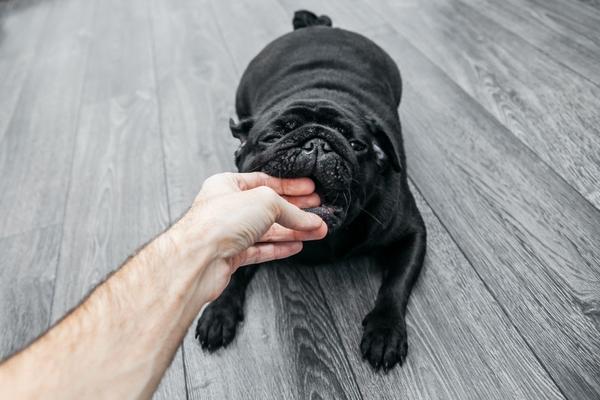
If you’ve ever looked down at your hand and wondered how something so small could hurt so much, welcome to life with a new puppy. Puppy nipping is one of the most common—and most frustrating—challenges new owners face, and it’s also one of the most searched puppy problems online for good reason. Almost every puppy bites. It’s not a sign that your dog is aggressive or “bad.” It’s a normal part of how puppies explore the world, relieve teething discomfort, and learn to interact with their environment. The good news is that with the right approach, most puppies grow out of this phase within a few months, especially when you actively guide the process instead of just waiting it out. Below are eight proven, gentle techniques to curb puppy biting and set your dog up for a lifetime of good manners.
Why Do Puppies Bite in the First Place?
Before jumping into solutions, it helps to understand what’s actually driving the behavior. Puppies explore the world mouth-first, the same way human toddlers explore with their hands. Chewing and mouthing are how they investigate textures, test boundaries, and relieve the discomfort of teething. A teething puppy in particular will often target fingers, shoelaces, and furniture simply because the pressure feels good on sore gums.
Biting is also a normal part of play. In the litter, puppies bite their siblings constantly, and when a bite is too hard, the other puppy yelps and stops playing. This is how puppies naturally learn bite inhibition—the ability to control the force of their mouth. When puppies come home early, humans have to take over this teaching role, which is exactly what the techniques below are designed to help you do.
1. Redirect to Appropriate Chew Toys
The moment your puppy starts mouthing your hand, clothing, or ankles, calmly redirect them to a chew toy. Keep a few toys within arm’s reach around the house so you’re never caught without an option. Consistency matters here: every single time nipping happens, the toy should immediately replace your skin. Over time, your puppy learns that hands are off-limits, but toys are always fair game.
2. Use the Yelp-and-Withdraw Method
This technique mimics what happens naturally in the litter. When your puppy bites too hard, let out a sharp, high-pitched “ow!” and immediately stop the interaction—pull your hand away and turn your body slightly away from the puppy for 10 to 20 seconds. This teaches your puppy that hard bites end the fun. It won’t work in one try, and that’s normal. Repetition over several weeks is what makes this method effective for building bite inhibition.
3. Try the Time-Out Approach
If yelping doesn’t seem to register, or your puppy gets even more excited by the sound, a short time-out can work just as well. When biting happens, calmly stand up, walk away, and ignore your puppy for 30 to 60 seconds. No talking, no eye contact. This removes the attention that puppies often crave, and most puppies quickly learn that biting makes the fun stop rather than start.
4. Manage Overstimulation Before It Peaks
A lot of puppy nipping happens during periods of overexcitement, particularly toward the end of a play session when your puppy is overtired or overstimulated. Watch for early warning signs like faster movements, harder play, or increased jumping. Stepping in with a short break, a calmer activity, or a rest period before things escalate can prevent a lot of biting episodes before they even start.
5. Keep Play Sessions Structured
Rough, hands-on wrestling games can unintentionally teach a puppy that biting human skin is acceptable during play. Instead, favor structured games like fetch, tug-of-war with a designated toy, or short obedience drills mixed into playtime. This keeps your puppy engaged and burns energy without reinforcing mouth-on-skin contact.
6. Address Teething Discomfort Directly
Since much of the nipping in young puppies is tied to teething, giving your puppy safe, appropriate outlets can significantly cut down on biting. Chilled (not frozen) rubber chew toys, damp washcloths kept in the freezer, or vet-approved teething toys can soothe sore gums. A teething puppy who has regular access to these outlets is far less likely to seek relief on your hands or furniture.
7. Reward Calm, Gentle Behavior
Positive reinforcement is one of the most powerful tools in bite inhibition training. Whenever your puppy interacts gently—licking instead of nipping, or playing softly with a toy instead of your hand—mark the moment with praise, a calm “good,” or a small treat. Puppies repeat behaviors that get rewarded, so consistently reinforcing gentleness speeds up the learning process considerably.
Keep a Consistent Household Approach
One thing that quietly undermines a lot of biting-prevention plans is inconsistency. If one family member allows rough hand-play while another discourages it, your puppy receives mixed signals and the behavior takes longer to fade. Sit down with everyone in the household and agree on the same rules and responses so your puppy gets a clear, unified message every time.
8. Enroll in a Puppy Obedience or Socialization Class
Structured puppy classes offer supervised play with other puppies, which is one of the best environments for learning bite inhibition naturally. Puppies that get to practice mouthing with same-age playmates, under a trainer’s guidance, tend to develop softer mouths faster than puppies who only interact with people. A qualified trainer can also spot subtle issues in your approach and offer real-time feedback that’s hard to get from articles or videos alone.
How Long Does Puppy Biting Usually Last?
Most puppies show significant improvement between four and six months of age, as adult teeth come in and the worst of the teething discomfort passes. However, the exact timeline depends heavily on how consistently these techniques are applied. Puppies who receive daily, consistent redirection and training often show noticeable progress within just a few weeks, while inconsistent handling can stretch the phase out much longer.
Frequently Asked Questions
Is it normal for my puppy to bite this much?
Yes, in most cases. Mouthing and nipping are a normal part of puppy development, particularly during the teething period between roughly three and six months old. As long as the behavior improves with training over time, there’s usually no cause for concern.
Should I use physical punishment to stop puppy biting?
No. Physical punishment, such as tapping the nose or holding the mouth shut, can backfire by making a puppy fearful or defensive, which sometimes worsens biting rather than resolving it. Positive, redirection-based methods are far more effective and build trust rather than eroding it.
What if my puppy bites harder when I yelp?
Some puppies get more excited by high-pitched sounds. If that happens, switch to the calm time-out method instead, simply disengaging and walking away without saying anything, which removes the stimulation rather than adding to it.
At what age should puppy biting stop completely?
Most puppies significantly reduce biting by six months, though some individual variation is normal depending on breed, temperament, and training consistency. If biting remains frequent or intense well past six months, it may be worth consulting a professional trainer to rule out other underlying causes.
Final Thoughts
Puppy biting can feel relentless in the moment, but it’s a temporary and completely manageable stage of development. By combining redirection, consistent responses, teething relief, and plenty of positive reinforcement, most owners see real progress within just a few weeks. Stay patient, stay consistent, and remember that every gentle interaction you reward today is helping shape the well-mannered adult dog your puppy is on the way to becoming.