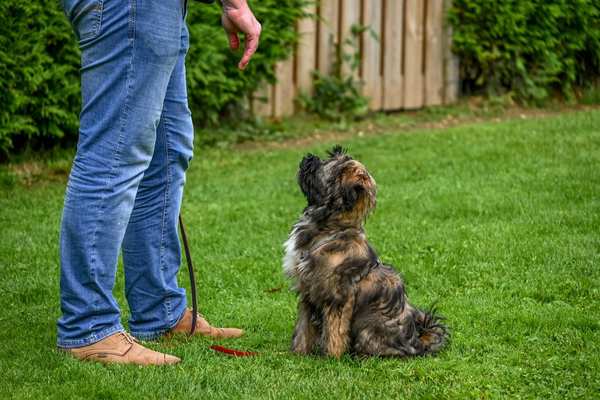
Every well-behaved dog you’ve ever admired started exactly where your dog is right now. The difference isn’t luck or breed or some magical temperament—it’s a handful of basic commands taught consistently, one repetition at a time. Whether you’ve just brought home a puppy or you’re finally getting serious about dog obedience training with an older dog, these seven commands form the foundation everything else builds on. Master them, and you’ll have a dog that’s easier to live with, safer in public, and genuinely more relaxed because they understand what’s expected of them.
Let’s walk through each one, including exactly how to teach it.
Why These 7 Commands Matter
Before diving into the how-to, it helps to understand the why. These particular commands aren’t arbitrary—they cover safety (recall, stay), manners (sit, leave it), and daily practicality (down, heel, come). Together, they give you a dog that listens in a chaotic backyard, a crowded park, or a moment when something dangerous is just a few steps away.
Trainers often summarize this foundation with the phrase sit stay come, and for good reason: those three alone can prevent most everyday mishaps. But rounding out the set with down, heel, off, and leave it gives you a genuinely well-mannered companion.
1. Sit
Sit is usually the first command dogs learn, and it’s the gateway to almost everything else. A dog that sits reliably is a dog that isn’t jumping on guests, bolting out the door, or lunging at the mail carrier.
How to Teach It
Hold a treat close to your dog’s nose, then slowly raise it above their head. As their head tilts up to follow the treat, their bottom will naturally lower to the ground. The moment it touches down, say “sit,” praise, and reward. Repeat this five to ten times per session, a few times a day, and most dogs pick it up within a week.
2. Stay
Stay is one of the harder commands because it asks for patience, which doesn’t come naturally to most dogs. It’s also one of the most valuable, especially in situations where movement could mean danger—near roads, open doors, or unpredictable environments.
How to Teach It
Ask your dog to sit, then hold your palm out flat and say “stay.” Take one step back. If they hold position, return immediately, praise, and reward. Gradually increase distance and duration over multiple sessions. Rushing this command is the number one reason dogs struggle with it—keep early sessions short and set your dog up to succeed.
3. Come (Recall)
If you only nail one command, make it this one. Recall training can genuinely be lifesaving—it’s what brings your dog back to you before they reach a busy street or wander off after wildlife.
How to Teach It
Start indoors or in a fenced yard with minimal distractions. Crouch down, use an excited tone, and say “come” while gently backing away. When your dog reaches you, reward generously—this needs to be the best thing that happens to them all day. Never call your dog to come for something unpleasant, like a bath or nail trim, or they’ll learn to hesitate. Practice in increasingly distracting environments once the basics are solid.
4. Down
Down asks for more submission and self-control than sit, which is why it’s often taught next. It’s especially useful for calming an excited dog or having them settle during meals, visits, or car rides.
How to Teach It
From a sitting position, hold a treat at your dog’s nose and lower it straight to the floor. Their body should follow the treat downward. Once their elbows touch the ground, say “down,” praise, and reward. If your dog’s rear stays up in the air, try guiding the treat slightly toward their chest to encourage the front to drop first.
5. Heel
A dog that heels walks calmly beside you without pulling, which makes daily walks far more enjoyable for both of you. This one takes longer than the others, so patience is essential.
How to Teach It
Start in a low-distraction area with your dog on a short leash. Keep treats at your side, at your dog’s nose height, and reward them for staying in position as you walk. If they pull ahead, stop walking entirely until the leash slackens, then continue. Consistency matters more than speed here—dogs that learn to pull get rewarded by momentum, so removing that reward is key.
6. Off
Off addresses jumping, whether that’s on furniture, counters, or people. It’s a command dogs need constant reinforcement on, especially in the excitable puppy stage.
How to Teach It
When your dog jumps up, turn away and ignore them completely—no eye contact, no pushing them down, no talking. The instant all four paws are on the ground, say “off,” praise, and reward. Consistency across everyone in the household is critical; if one family member allows jumping and another doesn’t, the dog will stay confused.
7. Leave It
This command teaches impulse control and can prevent your dog from eating something dangerous, whether that’s a dropped medication, spoiled food, or something toxic on a walk.
How to Teach It
Place a treat in your closed fist and let your dog sniff and lick at it. Once they stop trying and pull away, say “leave it,” praise, and reward with a different treat from your other hand—never the one they were told to leave. Progress to placing the treat on the floor, covering it with your hand if needed, and build up from there.
Tips for Making Training Stick
Consistency beats intensity every time. Five-minute sessions, several times a day, will outperform one long, frustrating hour on the weekend. Always end on a success, even a small one, so your dog stays motivated for the next session. And keep your cues—both verbal and hand signals—identical every single time; dogs read patterns, and mixed signals slow progress considerably.
If you’re working with a specific breed, training approaches can vary based on energy level, independence, and drive. It’s worth exploring breed-specific obedience guides to fine-tune your approach once these basics are solid.
Frequently Asked Questions
How long does it take to teach a dog basic obedience commands?
Most dogs can learn the basics of sit, down, and stay within one to three weeks of consistent short training sessions. Recall and heel typically take longer, often several months, since they require reliability around distractions.
What age should I start obedience training?
You can begin as early as 8 weeks old with simple commands like sit. Puppies have short attention spans, so keep early sessions brief and positive rather than expecting perfection right away.
Is it too late to train an older dog?
Not at all. Adult and senior dogs are often more focused than puppies and can learn just as effectively, sometimes faster, since they’re better at holding attention for longer stretches.
Should I use treats forever during training?
No. Treats are most useful early on to build the association. Over time, you can shift to intermittent rewards and replace treats with praise, play, or affection so your dog responds to the command itself rather than the expectation of food.
Final Thoughts
These seven commands aren’t about turning your dog into a show-ring competitor—they’re about building a relationship based on clear communication and trust. Start with one command at a time, keep sessions short and positive, and celebrate small wins along the way. Before long, you’ll have a dog that listens not because they’re afraid not to, but because they understand exactly what you’re asking.