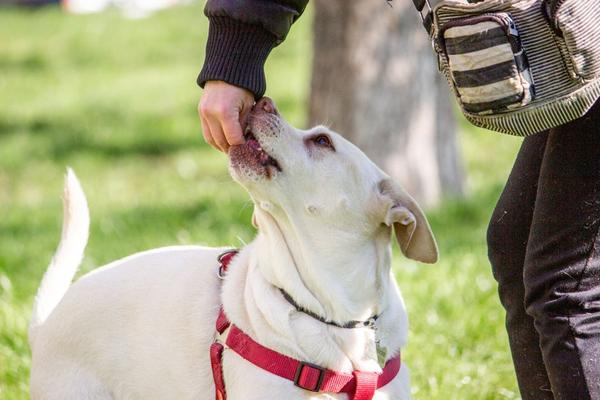
Positive reinforcement dog training is built on a simple idea: when a behavior produces something the dog values, that behavior becomes more likely to happen again. Instead of waiting for mistakes and correcting them, you notice the choices you want—sitting politely, walking beside you, coming when called—and reward them at the right moment.
This approach is also called reward-based or force-free training. Veterinary behavior professionals recommend it because it teaches dogs what to do without relying on pain, fear, intimidation, or physical corrections.
What Positive Reinforcement Actually Means
In learning theory, “positive” means something is added, while “reinforcement” means a behavior becomes more frequent. Give your dog a small treat immediately after they sit, and sitting is more likely to be repeated. The reward could also be a toy, praise, access to the garden, permission to sniff, or a quick game—provided your dog genuinely values it.
Rewards must suit the dog and the setting. Petting may not motivate a dog that avoids touch, while ordinary kibble may lose value near a busy park.
Why Reward-Based Training Works
Dogs learn from consequences even when no formal lesson is happening. A dog that jumps up and receives attention may learn that jumping works. A dog that lies quietly on a mat and receives a chew may learn that settling pays. Positive reinforcement dog training methods make those consequences deliberate, timely, and easy to understand.
Current guidance from the American Veterinary Society of Animal Behavior recommends reward-based methods for training and behavior modification. Research comparing reward-based and aversive approaches has also linked aversive training with more stress-related behavior and poorer welfare. A correction may interrupt an action, but interruption alone does not teach the safer alternative.
Clear Information Builds Confidence
A reward tells your dog, “That exact choice worked.” Dogs trained without fear of being punished for guessing incorrectly are more willing to try, which helps when teaching new skills or supporting a nervous dog through unfamiliar situations.
The Three Parts of an Effective Reward
Timing
Reward the behavior as it happens or immediately afterward. If you ask for a sit but give the treat after your dog stands and jumps, the dog may associate the reward with standing or jumping. A marker word such as “yes” can identify the correct instant.
Value
Match the reward to the difficulty. Kibble may work in the kitchen, while tiny pieces of unseasoned chicken may be needed outdoors. Keep food rewards small, include them in your dog’s daily intake, and avoid unsafe ingredients.
Placement
Deliver the reward where you want the dog to remain. When teaching a down, place the treat between the front paws rather than holding it high enough to make the dog stand. When teaching a mat behavior, reward on the mat.
How to Start at Home
Begin in a quiet room with several small treats. Choose one short marker word and use it consistently. Ask for an easy behavior your dog already offers, mark the exact moment it happens, then give the reward. Keep early sessions to two or three minutes so the dog finishes while still engaged.
A useful first exercise is capturing calm behavior. Sit nearby while your dog moves around. The moment they choose to lie down quietly, say “yes” and place a treat between their paws. You are teaching the dog that settling voluntarily is rewarding.
For a puppy that jumps when you pick up the food bowl, pause while the paws are off the floor. As soon as the puppy sits or stands calmly, mark and lower the bowl. If jumping begins again, raise it slightly and wait. The puppy learns that calm behavior makes dinner move closer.
Where Clicker Training Fits In
Clicker training is positive reinforcement with a precise mechanical marker. First, pair each click with a reward several times so the sound predicts something good. Then click once at the exact moment the desired behavior occurs and follow every click with a reward.
A clicker is useful for shaping, which means rewarding small steps toward a finished behavior. To teach crate entry, you might click for looking at the crate, approaching it, placing one paw inside, stepping fully inside, and eventually relaxing there. A verbal marker works too; consistency matters more than the device.
Common Mistakes That Slow Progress
Showing the treat before every cue can turn food into a bribe the dog waits to see. Use a lure briefly when needed, then move treats out of sight and reward afterward. Another mistake is raising difficulty too quickly. A reliable sit in the living room is not automatically reliable beside another dog or a busy road.
Family members must reward the same rules. If one person allows jumping while another asks for four paws on the floor, the dog receives mixed information.
Force-free training does not mean allowing every behavior. Management is essential. Use gates, leashes, closed doors, covered bins, and distance from triggers to prevent unwanted behavior while teaching a realistic alternative.
Moving Beyond Constant Treats
Food is useful during learning because it is quick to deliver, but it does not have to remain the reward for every response. Once a behavior is fluent, reward unpredictably and use everyday opportunities. Ask for a sit before opening the door, reward loose-leash walking with permission to sniff, or reinforce a recall with play.
Do not remove rewards too early. New, difficult, or safety-critical behaviors should still be paid generously. A reliable recall is worth maintaining throughout a dog’s life.
When Professional Help Is Needed
Fear, aggression, separation-related distress, resource guarding, or sudden behavior changes need more than general obedience practice. Start with a veterinarian to rule out pain or illness, then seek a qualified reward-based trainer or veterinary behaviorist. Avoid professionals who use intimidation, “alpha” explanations, flooding, shock, choke, or prong-based corrections.
Useful related topics include puppy socialization, teaching a reliable recall, and understanding dog body language.
Frequently Asked Questions
Does positive reinforcement mean ignoring bad behavior?
No. It means preventing or interrupting unsafe behavior without causing fear, then teaching and rewarding an acceptable alternative. Management stops the dog rehearsing the problem while training builds a better habit.
Will my dog only listen when I have treats?
Not when rewards are faded thoughtfully. Teach with frequent rewards, then vary the schedule and use real-life rewards such as play, sniffing, and attention. Continue paying well for difficult behaviors.
Can it work with adult or stubborn dogs?
Yes. Dogs of any age can learn. What looks like stubbornness often reflects unclear cues, weak rewards, distraction, stress, discomfort, or a task that needs to be broken into smaller steps.
How long should a training session last?
Several short sessions are usually more productive than one long lesson. Two to five focused minutes can be enough, especially for puppies. Stop before frustration or fatigue reduces learning.
Building Better Behavior One Choice at a Time
Positive reinforcement works because it makes desired behavior worthwhile and understandable. Mark the right moment, choose rewards your dog values, manage situations that are currently too difficult, and increase distractions gradually. With consistent practice, training becomes less about controlling mistakes and more about helping your dog succeed.