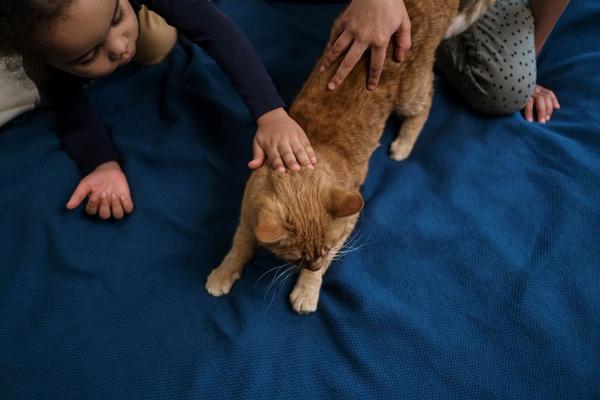
Choosing a cat for a family with children is less about picking the cutest breed and more about matching temperament, activity level, handling tolerance, and household routine. A busy home can suit a confident, social cat, while a quieter cat may prefer older children who understand when to give space. Breed tendencies can narrow the search, but personality and early socialization matter just as much.
The best cat breeds for families with kids are usually affectionate, adaptable, playful without being overly reactive, and comfortable around normal household activity. Children also need to learn feline body language, play gently, and leave a cat alone when it is eating, sleeping, hiding, or showing stress.
What Makes a Cat Good With Children?
Kid friendly cats often have a steady temperament, confidence around people, and a willingness to play. Families should also consider grooming needs, how much attention the cat wants, and whether it enjoys being held or prefers sitting nearby. With toddlers, adult supervision is essential because even gentle cats may scratch if frightened, squeezed, chased, or picked up incorrectly.
Let the cat approach first and teach children to use toys rather than hands for energetic play. Families preparing for adoption may also want to read our choosing a first cat guide, indoor cat care guide, and cat body language guide.
Family-Friendly Cat Breeds Worth Considering
Ragdoll
Ragdolls are known for being calm, affectionate, and sociable. Their laid-back nature can suit families that want a cat who enjoys staying close to people without demanding constant activity. Many are moderately playful, making them appealing family pets for children who enjoy gentle games. Their semi-long coats need regular grooming, and children should still respect the cat’s choice about when it wants to be held.
Maine Coon
Maine Coons are commonly described as gentle, easy-going, and sociable. They are playful and intelligent, and many enjoy interacting with several family members. Their large, sturdy build can work well in active homes, although size never makes rough handling acceptable. Their long coats require brushing, which can become a supervised job for older children.
American Shorthair
The American Shorthair is a practical choice for families wanting an adaptable, lower-maintenance companion. The breed is generally good-natured and easy-going, with a balanced personality that can work well around children. Its short coat is simple to care for, and many American Shorthairs enjoy play while also being comfortable entertaining themselves when the household is busy.
Birman
Birmans combine a sweet, affectionate personality with a patient, even-tempered nature. They are social cats that usually enjoy human company and can be playful without being relentlessly high-energy. For families looking for gentle cat breeds that still enjoy interaction, the Birman can be a strong candidate. They value companionship, so they may be less suited to homes where everyone is away for long periods.
RagaMuffin
RagaMuffins are known for being docile, people-oriented, and affectionate. Their mellow temperament can make them suitable for families, including those with younger children. Because they are often trusting and tolerant, adults should make sure children do not over-handle them. Every cat should have a quiet retreat where it can sleep or relax undisturbed.
Burmese
Burmese cats suit families wanting a more interactive companion. They are generally people-focused, playful, affectionate, and tolerant with children. Their short coats are easy to maintain, and their social nature makes them enthusiastic participants in family life. Many Burmese want plenty of company, so they fit best in households that can offer daily play and attention.
British Shorthair
British Shorthairs are calm, sturdy, and typically tolerant of children, but family-friendly does not always mean a cat enjoys being carried. Many prefer sitting beside their people rather than being held. For respectful school-age children, that independent style can work extremely well. They are also relatively quiet, appealing to families that want a relaxed companion.
Breed Matters, but Individual Personality Matters More
Breed can point you in the right direction, but it is never a guarantee. A well-socialized mixed-breed shelter cat may suit children better than a purebred cat that is shy or easily stressed. When adopting, ask how the cat responds to touch, noise, unfamiliar people, and previous contact with children.
For example, a family with children aged six and nine may have an easier transition with a confident young adult cat whose temperament is already known than with an energetic kitten. During the first few days, give the cat a quiet room with food, water, litter, a scratching surface, and a hiding place. Let family interactions increase gradually.
Helping Kids and Cats Build a Safe Relationship
Teach children to stroke gently and stop when the cat walks away. Avoid chasing, tail pulling, tight hugs, or waking a sleeping cat. Use wand toys, balls, and other cat-safe toys that keep fingers away from claws and teeth. Children can also build trust through age-appropriate care such as refilling water, helping measure food, or leading a short supervised play session.
Frequently Asked Questions
What cat breeds are best for families with young children?
Ragdolls, RagaMuffins, Birmans, Burmese, Maine Coons, and American Shorthairs are often strong candidates because of their generally social or gentle temperaments. The individual cat’s personality and the child’s behavior remain crucial.
Are male or female cats better with kids?
Sex is usually less important than temperament, socialization, age, and past experience. A calm, confident cat of either sex can be an excellent companion for children.
Is a kitten or adult cat better for a family?
Kittens are energetic and appealing, but their adult personality is still developing. A friendly adult cat with a known temperament can offer a more predictable match for a household with children.
How should children meet a new cat?
Keep early meetings quiet and supervised. Let the cat approach at its own pace, ask children to sit calmly, and use treats or toys to create positive experiences. Always provide an easy route to a private resting place.
Choosing the Right Family Cat
The best family cat is the one whose temperament, energy, grooming needs, and social style fit the way your household lives. Start with breeds known for being cats good with children, then evaluate the individual animal. With thoughtful selection, gentle handling, and clear rules for children, a cat can become a relaxed and affectionate part of family life for years.