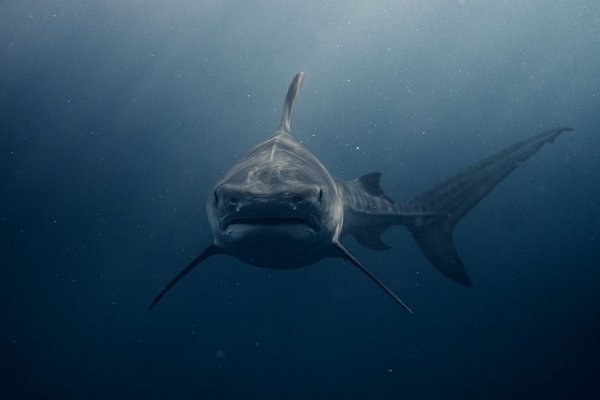
From cold Alaskan depths to the reefs of Hawaiʻi, American waters support a remarkable range of sharks. Some cruise just beyond the surf, while others spend much of their lives far offshore. Learning which shark species live in US waters starts with two questions: where was it seen, and what features set it apart?
Water temperature, depth, available prey and season all affect which species appear. This guide introduces recognizable sharks in USA waters and explains how to tell similar-looking animals apart without relying on dramatic headlines.
Where Are Sharks Found Around the United States?
Sharks inhabit the Atlantic coast, Gulf of Mexico, Pacific coast, Alaska, Hawaiʻi and US Caribbean waters. The Atlantic alone hosts more than 50 species, according to NOAA Fisheries. Some use shallow bays as nurseries; others patrol continental shelves or open ocean.
Notable Shark Species in US Waters
Great White Shark
The white shark, often called the great white, has a robust body, pointed snout, large triangular teeth and a dark upper surface contrasting with a pale underside. It occurs in both US oceans, including waters off New England and California. Juveniles use coastal nursery areas, while larger individuals may hunt around seal and sea lion colonies or travel offshore.
Hammerhead Sharks
The flattened, sideways-extended head makes hammerheads unmistakable as a group. Great hammerheads have a relatively straight leading edge to the head; scalloped hammerheads show a central notch and additional indentations. The smaller bonnethead, with its rounded shovel-shaped head, inhabits warm shallow Atlantic and Gulf waters.
Blacktip and Spinner Sharks
These fast-moving coastal sharks are associated with the southeastern Atlantic and Gulf. Both have streamlined bodies, dark fin markings and may leap during feeding. One useful shark identification clue separates adults: the spinner shark generally has a black-tipped anal fin, the small fin underneath near the tail, while the Atlantic blacktip’s anal fin is white.
Sandbar and Sand Tiger Sharks
Sandbar sharks have a conspicuously tall first dorsal fin, broad pectoral fins and a ridge along the back between the dorsal fins. They frequent sandy coastal habitats and estuaries along the East Coast and Gulf. Sand tiger sharks look very different: their narrow, protruding teeth and two similarly sized dorsal fins give them a distinctive profile. They often gather around wrecks and other structured habitats.
Bull, Lemon and Nurse Sharks
Bull sharks are heavy-bodied, blunt-snouted predators found in warm Atlantic and Gulf coastal waters; unlike most sharks, they can travel into freshwater rivers. Lemon sharks have a yellowish-brown tone and two dorsal fins of relatively similar size, and they use shallow coastal habitats. Nurse sharks are slow-moving bottom dwellers recognizable by the small sensory barbels beside their mouths, often resting near reefs or ledges.
Tiger Sharks and Reef Sharks
Tiger sharks favor warmer seas, including the southeastern United States and Hawaiʻi. Young animals show especially clear dark vertical bars, which may fade with age. Around Hawaiian reefs, whitetip reef sharks can be recognized by white fin tips and their habit of resting in caves. Blacktip reef sharks have prominent black markings on the first dorsal and lower tail fins. These are not simply another name for Atlantic blacktip sharks.
Shortfin Mako, Blue and Thresher Sharks
Not all US shark species are regular beach visitors. Shortfin makos are powerful open-water swimmers with pointed snouts and relatively short pectoral fins. Blue sharks are slender, with long pectoral fins and vivid blue upper bodies. Common threshers have an extraordinary elongated upper tail lobe used to strike schooling fish. These species occur offshore, though threshers also enter productive coastal waters, particularly off the Pacific coast.
Leopard, Sevengill and Other Pacific Sharks
California’s bays and nearshore waters support leopard sharks, whose dark saddle-like markings and spots are particularly helpful identifiers. Broadnose sevengill sharks have seven gill slits rather than the five typical of many familiar sharks. Farther north, Alaska’s frequently recorded sharks include salmon sharks, Pacific sleeper sharks and Pacific spiny dogfish. Cold water is clearly no barrier to shark life.
How to Identify a Shark Without Guessing
Start with a combination of clues instead of one striking feature. Body size is difficult to judge underwater, and color changes with lighting. For more reliable identification, pay attention to:
Head shape: a hammerhead’s broad head, a bull shark’s blunt snout or a nurse shark’s barbels can narrow the options.
Fins and tail: check dorsal-fin height and placement, fin-tip markings, and whether the tail’s upper lobe is exceptionally long.
Habitat: a shark resting on a Hawaiian reef is a different identification problem from one swimming beyond the continental shelf.
Location and season: range maps show possibilities, not guarantees. Migratory sharks can appear at different latitudes through the year.
For instance, someone watching sharks near a Florida inlet might initially label every dark-tipped fin a blacktip shark. Observing the anal fin and overall proportions, if safely visible, may suggest a spinner instead. Never approach or handle a shark to inspect a feature. For deeper comparisons, explore shark identification by fin shape and coastal shark habitats.
Why Some Species Appear Near Beaches
Many coastal sharks follow baitfish, take advantage of estuaries or use shallow protected areas for their young. Other sharks pass beaches while migrating between feeding grounds. Sightings may rise when prey is concentrated, but a seasonal gathering does not mean all nearby waters are equally occupied. It also does not mean every shark is hunting large animals.
If you see a shark while swimming, stay calm, avoid splashing, keep it in sight and leave the water steadily. Follow local beach advisories, and give sharks and fishing activity plenty of room. To understand their movements, a guide to why sharks migrate provides useful context.
Frequently Asked Questions
What sharks are most common along the US East Coast?
It depends on the region and season. Blacktip, Atlantic sharpnose and spinner sharks are familiar in warmer southeastern waters. Sandbar, sand tiger and smooth dogfish are associated with parts of the Mid-Atlantic; spiny dogfish and white sharks are also encountered farther north.
Are great white sharks found in both the Atlantic and Pacific?
Yes. White sharks occur along both coasts, although their movements and seasonal concentrations differ. They use coastal and offshore habitats, and juveniles may occupy nursery areas distinct from adult feeding grounds.
Are sharks found in Alaska?
Yes. Salmon sharks, Pacific sleeper sharks and Pacific spiny dogfish are among the most frequently encountered species. Alaska also receives occasional visitors from other shark groups.
How many shark species live in US waters?
There is no useful single number without defining the geographic area and whether rare visitors count. NOAA reports more than 50 species along the East Coast alone, while Hawaiʻi’s state wildlife agency lists roughly 40 in Hawaiian waters. The national total covers several very different marine regions.
A Coastline-by-Coastline View
Shark diversity becomes easier to understand when habitat comes before reputation. Compare a shark’s head, fins and behavior with the water in which it lives, and apparent lookalikes begin to separate. From reef-resting whitetips to offshore makos and Alaskan sleeper sharks, the species sharing US waters reveal how varied the country’s marine ecosystems really are.