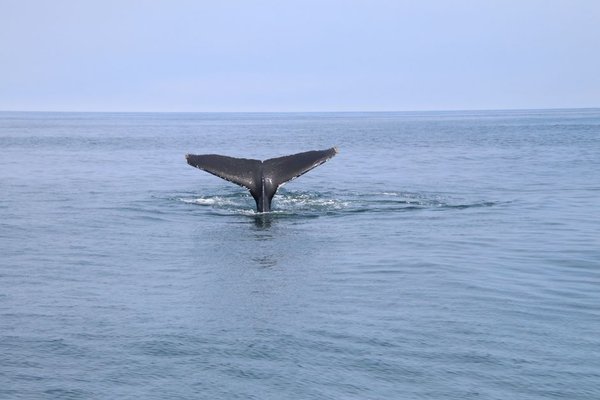
There is no single whale-watching season in the United States. A gray whale passing California in January may be heading toward winter breeding grounds, while a humpback near Massachusetts in July is probably feeding. Hawaiʻi has an entirely different calendar: its best-known humpback months arrive when northern feeding grounds are in winter. The best time to see whales depends on the coast, the species, and what the animals are doing.
Why Whale Seasons Vary by Region
Many baleen whales alternate between productive feeding areas and warmer breeding or calving areas. Others remain in particular waters for much of the year or follow prey without a fixed schedule. A whale sighting can therefore reflect migration, feeding, breeding, or a population that never fully leaves.
Understanding whale migration routes matters because different species may peak at different times along the same stretch of coastline. It also explains why animals traveling past a headland can be easier to spot from shore than whales feeding many miles offshore.
California: Migrating Gray Whales and Feeding Giants
Gray Whales: Winter Through Spring
The classic whale season in California centers on eastern North Pacific gray whales. They travel south toward Mexican breeding and calving lagoons from roughly November into February, then return north into May. December and January are familiar southbound months; the northbound passage extends through spring, varying by latitude.
Gray whales often swim relatively near the coast. For example, someone scanning a California overlook in January can watch for repeated blows progressing steadily south, rather than expecting whales to stay in one spot. This is a migration to observe, not a gathering around a feeding site.
Blue Whales and Humpbacks: Summer and Fall
Blue whales feed on krill off the West Coast mainly in summer and fall, with concentrations shifting as prey moves. Humpbacks also visit productive California waters through much of the warmer season. For help identifying whale species, remember that a traveling gray whale and a feeding humpback can produce very different patterns of surfacing and diving.
Oregon and Washington: Migration Plus Local Feeding
Gray whales pass the Pacific Northwest on both legs of their annual journey. Winter brings southbound animals, while spring is an important period for northbound migration. Some gray whales in the Pacific Coast Feeding Group then spend summer and fall feeding in coastal waters rather than continuing to the Arctic.
Washington has another seasonal story: killer whales. Southern Resident killer whales historically frequented the Salish Sea in spring, summer, and fall while following salmon. Their distribution has shifted, however, with more time spent in outer coastal waters in some recent summers. Other killer whale populations have different movements, so even summer is not a guarantee of sightings in a particular inlet.
Alaska: Humpback Feeding in the Summer
Southeast Alaska has a strong warm-season feeding pattern for humpbacks. In Glacier Bay, the National Park Service reports that humpback numbers generally increase around mid-June and peak in July and August. Smaller numbers may appear in spring and fall; winter is much quieter.
Productive northern waters attract whales building energy reserves, sometimes in areas where fish concentrate. Orcas also occur in Alaskan waters, but their presence should not be reduced to the humpback calendar. Summer here is principally a feeding season, not a warm-water calving season.
Hawaiʻi: Winter Humpbacks and Newborn Calves
Hawaiʻi reverses Alaska’s seasonal pattern. Humpbacks are generally seen from November through April, sometimes into May, with the highest overall abundance from January to March. Many North Pacific humpbacks gather in relatively shallow Hawaiian waters to mate, give birth, and nurse young.
A February humpback sighting in Hawaiʻi may involve courtship behavior or a mother with her calf, whereas a July sighting in Alaska is more likely associated with feeding. Summer is not a dependable time for Hawaiian humpbacks, even though occasional animals may be present outside the main season.
New England: Spring-to-Fall Feeding Grounds
For East Coast whale watching, the Gulf of Maine and Massachusetts waters are major feeding areas. Stellwagen Bank National Marine Sanctuary supports a well-established April-to-October whale-watching season. Humpback, fin, and minke whales gather where fish and other prey become abundant, with summer often particularly productive.
Mid-Atlantic and Southeast: Winter Right Whale Calving
The Mid-Atlantic experiences passage by large whales during migration as well as some local feeding activity, but timing can be less predictable than at established northern feeding grounds. Farther south, the waters off the Carolinas, Georgia, and Florida are important for North Atlantic right whales from about mid-November to mid-April.
Some females migrate south to give birth in coastal calving habitat. The season matters enormously for conservation, but right whales are rare and should never be promoted as a dependable close-up attraction. Boat strikes and disturbance threaten both mothers and calves.
Gulf Coast: No Simple Whale-Watching Peak
The Gulf of Mexico supports sperm whales in deep offshore waters, but it lacks a familiar, nearshore whale-watching season comparable to California’s gray whale migration or Hawaiʻi’s humpback winter. Offshore habitat and variable sightings make claims about one guaranteed best month misleading.
How to Make Sense of a Seasonal Calendar
Start with the species rather than the state. February is a strong month for humpbacks in Hawaiʻi; July is much more suitable for humpback activity in Alaska or New England. If the aim is to witness gray whales traveling past a coastline, California’s winter and spring windows are more relevant.
Next, separate migration from feeding. Migrating whales may pass a lookout for a brief period, while feeding animals can remain where prey is concentrated. Learning about whale feeding behaviors, including repeated dives and seabirds gathering over prey, helps interpret sightings without promising a precise result.
Consult recent marine sanctuary or research sightings before relying on an old chart. NOAA generally advises observing large whales from at least 100 yards, with stricter requirements for certain species and places. North Atlantic right whales, for example, have a 500-yard federal approach restriction. Wildlife should never be chased or crowded.
Frequently Asked Questions
What is the best month to watch whales in the United States?
There is no nationwide best month. February is favorable for humpbacks in Hawaiʻi, summer for feeding whales in Alaska and New England, and winter through spring for migrating gray whales along California.
Can you see whales somewhere in the United States year-round?
Yes. Whales occur in U.S. waters throughout the year, but no single coastal lookout offers reliably visible whales every month.
When is the main East Coast whale-watching season?
New England’s established feeding season generally runs from April to October. Southeastern right whale calving occurs primarily in winter and early spring, but these endangered whales require special protection.
Do whale season dates guarantee sightings?
No. They summarize recurring wildlife patterns, not appointments. Ocean conditions, changes in prey, annual variation, and individual movements all influence when whales appear.
The Seasonal Picture
Whale watching seasons in the United States tell the story of changing marine habitats. Winter brings gray whales past California and humpbacks to Hawaiʻi; warmer months attract feeding whales to northern coasts; and the Southeast provides winter calving habitat for rare right whales. Match the region and month to a species’ behavior, and the calendar becomes far more useful than a promised sighting.