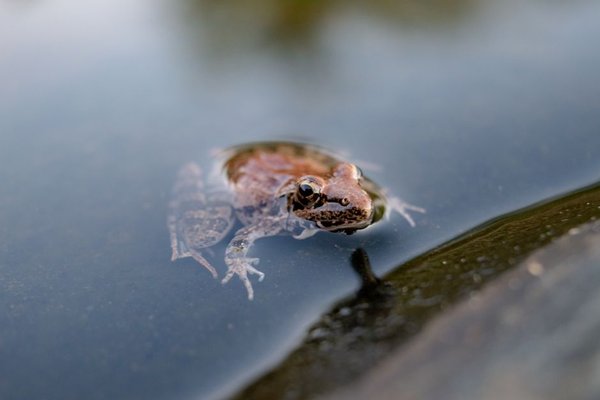
A pet frog may be small, but its care depends on details that are easy to overlook: the right moisture, safe water, appropriate food, and a habitat built around natural behavior. Frogs have delicate, permeable skin, so an enclosure that looks attractive may still be unsuitable. Good pet frog care begins with identifying the species, not buying a generic tank kit.
This guide covers the foundations shared by many frogs while showing where species-specific guidance matters.
Choose the Species Before Designing the Habitat
There is no universal frog habitat. Tree frogs need climbing space and secure perches; burrowing frogs, including Pacman frogs, need suitable floor area and substrate; fully aquatic frogs require a managed aquarium. A tall tank that suits one species may waste useful space for another.
Research adult size, natural climate, activity period, diet, lifespan, and whether the frog should live alone. Choose legally sourced, captive-bred animals from reputable breeders. For closer comparisons, a tree frog habitat guide and a Pacman frog care guide are more useful than assuming all frogs have identical needs.
Make the Frog Enclosure Secure and Comfortable
Use an escape-proof enclosure with room for normal movement. Ground-dwelling frogs need usable floor space; climbing species need height, sturdy branches, and resting platforms. Include ventilation, shade, and hiding places where the frog can retreat undisturbed.
Substrate choices depend on the species. Suitable options may include additive-free soil mixes, appropriate leaf litter, or damp paper towels for temporary housing. Avoid sharp decorations, treated wood, and loose material likely to be swallowed during feeding. Plants can provide useful cover, but confirm they are amphibian-safe.
Keep the setup away from direct sunlight, drafts, fragrances, and household cleaning sprays. Make sure every water dish is stable and easy to enter and leave.
Measure Temperature and Frog Humidity
Frogs regulate body temperature through their surroundings. A tropical tree frog may need different conditions from a temperate frog, so copying a generic reptile temperature setting can be dangerous. Follow a reliable species care sheet and seek guidance from an amphibian-experienced veterinarian.
Install a thermometer and hygrometer. Check conditions at more than one location, since readings near a heat source or wet hide may differ from the rest of the enclosure. Many species benefit from a gentle temperature gradient, allowing them to choose warmer or cooler areas. Any heating equipment should be protected from direct contact and controlled appropriately.
Frog humidity must also match the species. Misting with treated water may help maintain moisture, but permanently saturated substrate and poor ventilation can cause problems. Moist hides, airflow, and access to suitable drier areas all contribute to healthy conditions.
A practical tip: record morning and evening readings for several days before bringing your frog home. If room heating causes humidity to plunge each night, fix the setup before introducing the animal.
Use Safe Water Every Time
Because frog skin readily absorbs substances, water quality is central to amphibian care. Untreated tap water may contain chlorine or chloramine. Use a water conditioner appropriate for amphibians and follow its instructions; leaving water standing does not reliably remove chloramine. Do not use distilled water as a routine replacement.
Many terrestrial frogs need a shallow soaking dish with clean, treated water changed daily. Aquatic frogs need filtration suited to their species, regular water testing, and appropriate partial water changes. Monitor ammonia and nitrite, and avoid sudden changes in temperature or water chemistry.
Keep soap, disinfectant residue, and scented products away from the animal and its habitat.
Choose Lighting With Care
A predictable day-night cycle helps support normal behavior. Ultraviolet B lighting and vitamin D requirements vary by species and setup, so choose equipment with amphibian-specific veterinary guidance. Provide shaded retreats and position any lights safely. Use a timer, and confirm that lighting does not overheat the enclosure.
Feed Suitable Prey and Support Nutrition
Pet frog feeding depends on species, size, and age. Many captive frogs eat live invertebrates such as crickets, roaches, fruit flies, or earthworms. Choose prey small enough to swallow safely. Avoid pesticide-exposed or wild-caught insects, which may introduce contaminants or parasites.
Offer appropriate variety. Many feeder insects need gut-loading, which means feeding them a nutritious diet before offering them to your frog. Calcium or multivitamin dusting may also be necessary, but dosage and frequency depend on the species, life stage, and lighting. Consult a veterinarian about a suitable supplementation plan instead of guessing.
Young frogs often eat more frequently than adults, although schedules vary. Track appetite and body condition, remove leftover prey promptly, and avoid leaving insects that might injure the frog. A feeder insect nutrition guide can help you choose and prepare a balanced rotation.
Clean Regularly Without Disrupting the Habitat
Remove waste, dead insects, and spoiled food during daily checks. Refresh soaking water and clean dishes with amphibian-safe procedures. Replace or maintain substrate according to the enclosure type; bioactive habitats require different maintenance from paper-towel setups.
For aquatic frogs, test the water and protect beneficial biological filtration. Do not replace all the aquarium water simply because it appears cloudy. Use dedicated cleaning tools to reduce contamination between enclosures.
Keep a brief record of feeding, temperature, humidity, and cleaning. Patterns often explain problems better than a single observation.
Limit Handling and Protect Everyone’s Health
Most frogs are observation pets, not animals that enjoy being held. Handling can damage their protective skin mucus and cause stress. For necessary transfers, use a clean, ventilated container when possible. If contact cannot be avoided, follow veterinary advice on clean, moistened, powder-free gloves and safe handling.
Frogs can carry Salmonella while appearing healthy. Wash hands thoroughly after contact with frogs or their equipment, and never clean habitat items in food-preparation areas. Public-health guidance discourages keeping amphibians in households with children under five or people at greater risk of severe infection.
Notice Warning Signs Early
Loss of appetite, weight loss, difficulty moving, unusual skin changes, and persistent lethargy warrant prompt advice from an amphibian-experienced veterinarian. A nocturnal frog sleeping during the day may be perfectly normal; changes from its usual behavior are more meaningful.
Frequently Asked Questions
Are pet frogs easy to care for?
Some captive-bred species suit prepared beginners, but all need careful water, temperature, and humidity management. Research the specific frog before committing.
How often should I mist my frog enclosure?
There is no universal schedule. Mist only as needed to maintain species-appropriate humidity while preserving ventilation and avoiding waterlogged substrate.
Can I use tap water for a pet frog?
Only after checking its suitability and treating it for chlorine or chloramine as necessary. Aquatic setups also require regular water-quality testing.
Do pet frogs like being held?
Generally not. Limit handling to necessary transfers, checks, and veterinary care. Watching natural behavior is a safer way to enjoy them.
Build a Routine Around the Frog You Keep
Successful pet frog care relies on repeatable habits: measure conditions, provide safe water, feed suitable prey, keep the enclosure clean, and notice changes early. Once these foundations are established, use a species-specific guide to fine-tune the habitat, humidity, lighting, and feeding schedule your particular frog needs.