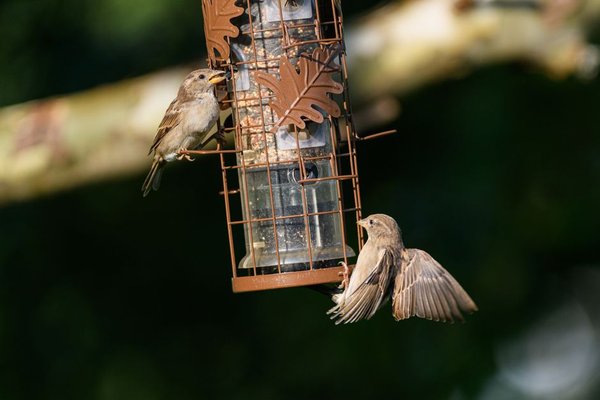
For most people, the best time of day for bird watching is early morning, especially from first light through the next two hours. Birds are often more vocal, more actively feeding, and easier to locate. That said, there is no single perfect birding time for every species. Evening can be excellent, raptors may become easier to spot later in the morning, and owls or nightjars are more likely around dusk or after dark. The most productive outing depends on what you hope to see, the season, the weather, and the habitat.
Why early morning is usually the best time
Dawn brings a combination of high bird activity and favorable viewing conditions. Many songbirds begin calling or singing before or around sunrise, creating the familiar dawn chorus. Vocal activity helps birders find species that may otherwise stay hidden in leaves, shrubs, or tree canopies. For many territorial species, dawn singing also helps advertise territories and communicate with potential mates.
After sunrise, many birds shift from singing to feeding. They have gone through the night without eating, so the first part of the morning can bring noticeable movement as they search for insects, seeds, fruit, or other food. For a beginner wondering when to go birdwatching, arriving shortly before sunrise gives you time to settle in before this burst of activity begins.
Morning light is another advantage. Low-angle sunlight can make plumage easier to see than harsh midday glare, particularly if you position yourself with the sun behind you.
What you may see at different times of day
Before sunrise and at first light
This is the time to listen as much as you look. Songbirds may begin calling while the surroundings are still dim, and crepuscular species can remain active. In suitable habitat, owls, nightjars, rails, or other low-light birds may be detectable by sound.
If bird sounds are new to you, avoid trying to identify everything at once. Pick one clear call, follow it, and connect the sound with the bird when you find it. A guide to bird identification by sound makes a natural next step for building this skill.
Sunrise through mid-morning
For general birding, this is often the most reliable window. Morning bird activity can include singing, feeding, short flights between perches, family groups moving through vegetation, and mixed flocks working through trees. Woodland edges, parks, wetlands, gardens, and hedgerows can all be productive.
A practical example: if sunrise is at 6:15 a.m., aim to reach your location around 5:55. Spend the first 20 minutes listening from one spot, then walk slowly once there is enough light to see clearly. Instead of covering a long distance quickly, stop whenever you hear several birds. This simple change often produces more sightings than walking continuously.
Late morning and midday
Birding often becomes quieter as temperatures rise and many songbirds reduce obvious activity. Midday is not useless, though. Raptors can take advantage of rising warm air, or thermals, to soar with less effort, so hawks, eagles, vultures, and similar birds may be easier to scan for once the ground has warmed.
Waterbirds may also remain visible for much of the day, and coastal birding can depend more on tide level than on the clock. If your available birding time is noon, choose open water, wetlands, shorelines, or a viewpoint for soaring birds rather than assuming the outing will be unproductive.
Late afternoon and evening
Evening birdwatching can be surprisingly rewarding. As temperatures ease, birds may feed again before roosting. Activity can increase around woodland edges, gardens, ponds, fields, and marshes, while softer light can make birds easier to view.
Dusk also creates a handover between daytime and nocturnal birds. Depending on your region and habitat, this may be the best opportunity for owls, nightjars, woodcock, or other species that become active in low light. If you cannot manage an early start, the final two hours before sunset are often the best alternative.
Season and weather can change the best birding time
The clock matters, but conditions can matter just as much. Spring breeding activity can make dawn especially lively, while migration periods may bring waves of birds that appear after overnight travel. In winter, birds may become active later because sunrise is later and cold conditions can alter feeding patterns.
Still, dry weather is usually easier for hearing songs and calls than strong wind or heavy rain. Wind moves branches and leaves, masks sound, and can push small birds into sheltered areas. On very hot days, early morning becomes even more valuable because activity often slows as temperatures climb. Changing weather during migration can also create unusual local activity.
For broader planning across the year, a seasonal bird migration guide can help you match your outings with periods when different species are moving through your area.
How to choose your birding time as a beginner
If your goal is simply to see a good variety with the least frustration, start with the first two hours after sunrise. Visit a place with mixed habitat, move slowly, and pause often. Keep the sun behind you when possible and give birds time to resume normal behavior after you arrive.
If mornings do not suit your schedule, go in the late afternoon rather than skipping birding entirely. Repeated visits teach you when local birds appear, where they feed, and how activity changes with weather and season. A useful companion topic is choosing binoculars for birdwatching if you are still building a basic field kit.
Frequently asked questions
Is sunrise always the best time for bird watching?
No. Sunrise is excellent for many songbirds, but raptors can be more visible later in the morning, shorebirds may follow tides, and nocturnal species are better around dusk or night.
How early should I arrive for morning birding?
Arriving 15 to 30 minutes before sunrise is a good starting point. This lets you settle quietly, listen for early singers, and be ready as visibility improves.
Is bird watching good in the evening?
Yes. The last couple of hours before sunset can bring renewed feeding activity, softer light, and a chance to see species that become active toward dusk.
Does bad weather make birding pointless?
Not always, but strong wind and heavy rain can make birds harder to hear and see. Calm, dry conditions are generally easier for beginners, although changing weather can occasionally produce interesting sightings.
Final thoughts
Early morning is the safest choice when you want a productive general birding session, but the best time depends on the birds you want to find. Dawn favors many vocal songbirds, later mornings can help with soaring raptors, evenings bring another feeding window, and dusk opens the door to low-light species. Pay attention to season, weather, habitat, and local patterns, and you will soon learn that birding time is less about following one rigid rule and more about matching your outing to bird behavior.