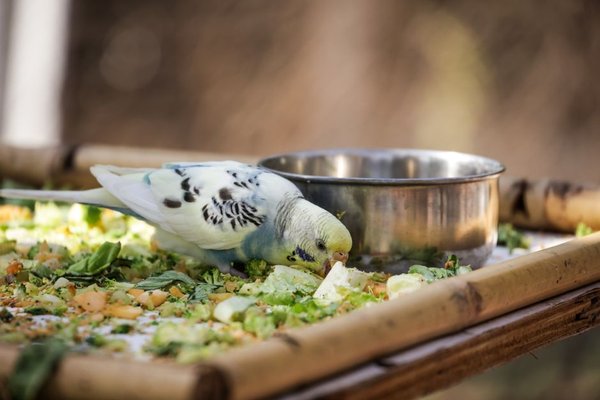
A pet bird can move from its food bowl to your dinner plate in seconds. Many fresh foods are suitable in small, species-appropriate portions, but several common ingredients can cause serious illness. Good bird food safety means knowing which foods are genuinely toxic and which are simply poor choices because they contain too much salt, fat, sugar, or seasoning.
Foods that should stay completely off a bird’s menu
Avocado
Avocado is one of the best-documented toxic foods for birds. It contains persin, a compound associated with heart damage in susceptible birds. Pet birds can be particularly sensitive, and toxicity has been reported after eating avocado flesh as well as other parts of the plant. Because a safe amount has not been established for companion birds, do not offer avocado, guacamole, or foods containing avocado pieces.
Chocolate and cocoa
Chocolate contains methylxanthines, including theobromine and caffeine. These compounds can affect the heart and nervous system and may lead to agitation, abnormal heart rate, tremors, seizures, or worse at toxic doses. Dark and baking chocolate generally contain more methylxanthines than milk chocolate, but no type should be considered a safe treat. Cocoa powder, brownies, chocolate cereal, and chocolate-coated snacks should also be kept away.
Caffeine
Coffee, tea, energy drinks, caffeinated soda, and other stimulant-containing drinks should never be shared with a bird. Caffeine can affect the cardiovascular and nervous systems, and a small body size means an amount that looks insignificant to a person may still matter to a pet bird. Keep mugs and glasses out of reach when a bird is flying freely.
Alcohol
Alcohol is unsafe for birds in any form, including beer, wine, spirits, and cocktails. Exposure can depress the nervous system and create potentially severe health problems, so keep alcoholic drinks completely out of reach.
Onions and garlic
Onions and garlic are commonly listed among foods birds cannot eat because allium plants may damage red blood cells and have been associated with kidney problems in birds. The risk is not limited to visible pieces. Onion and garlic powder are common in seasoning blends, soups, sauces, chips, crackers, and prepared meals, which is one reason seasoned table scraps are a poor choice.
Rhubarb leaves
Rhubarb leaves should be kept away from pet birds. Their oxalate content can contribute to digestive problems, calcium disturbances, and kidney injury. Garden and compost access can create exposure as easily as a kitchen scrap.
Apple seeds and stone-fruit pits
The flesh of many fruits can be appropriate in moderation, but seeds and pits deserve more care. Apple seeds and the pits or kernels of fruits such as cherries, peaches, plums, and apricots contain cyanogenic compounds that can release cyanide when damaged and digested. Remove seeds and pits before serving the fruit. A clean apple slice is very different from letting a small parrot chew through the core.
Salt-heavy and highly processed foods are also a problem
Salty snacks are not the same type of hazard as avocado or chocolate, but excessive sodium can still be dangerous. Avoid chips, pretzels, salted popcorn, heavily seasoned nuts, processed meats, and similar foods. A bird’s portion is tiny compared with a human serving, so a few bites can deliver a disproportionate amount of salt.
Foods high in fat or sugar should not become routine rewards either. Cake, candy, fried food, and rich sauces can crowd out nutritionally useful foods. Lists of parrot toxic foods often mix these poor dietary choices with true poisons, but the risks are not identical.
Watch for hidden ingredients
Real-world accidents often happen with mixed dishes. Imagine a cockatiel taking a bite from a breakfast plate: plain cooked egg may not be the concern, but avocado spread, onion seasoning, or a sip of coffee beside it could be. The same applies to pizza, dips, casseroles, baked goods, and takeout. Before sharing anything, think about every ingredient rather than only the food’s main name.
A practical habit is to prepare the bird’s safe portion first, before salt, sauce, butter, seasoning, or other extras are added. Put that portion in the bird’s own dish, then finish preparing the human meal. This reduces accidental exposure and discourages direct sharing from plates.
What to do if your bird eats something potentially toxic
If your bird gets into avocado, chocolate, alcohol, caffeine, onion, garlic, rhubarb leaves, fruit pits, or another suspected toxin, remove access immediately and contact an avian or exotics veterinarian promptly. Do not wait for obvious symptoms if the exposure could be significant. Birds can hide illness, and early professional advice may change what treatment is possible.
Be ready to provide the bird’s species, approximate weight, the food involved, how much may have been eaten, and the time of exposure. Keep packaging or a photo of the ingredient list if a processed food was involved. Do not induce vomiting or give home remedies unless a veterinarian specifically instructs you to do so.
Safer everyday feeding habits
A balanced species-appropriate diet should form the foundation of feeding, with suitable fresh foods offered in appropriate amounts. Keep known hazards out of reach, clear plates and cups before allowing a bird onto counters or tables, and make sure everyone in the household knows the no-share foods. Children and guests may not realize that a bite-sized treat for a person can be a serious exposure for a small bird.
Related topics worth exploring include bird-safe fruits and vegetables, a balanced pet bird diet, and common household hazards for parrots. Good nutrition also means preventing access to unsafe foods around the home.
Frequently asked questions
Can pet birds eat a tiny amount of avocado?
No amount of avocado should be intentionally fed to a pet bird. Birds are known to be susceptible to avocado toxicosis, and a reliable safe dose for companion birds has not been established.
Is chocolate more dangerous for small birds?
Body size matters with many toxins because a small amount can represent a larger dose per unit of body weight. Chocolate should be avoided for birds of every size, and suspected ingestion should be discussed with an avian veterinarian.
Can birds eat fruit if the seeds are removed?
Many fruits can be suitable in moderation once unsafe pits or seeds are removed and the fruit is washed and cut appropriately for the species. The edible flesh and the seed or pit should not be treated as the same thing.
Are all human foods unsafe for birds?
No. Many plain, nutritious foods can be appropriate depending on the bird’s species and overall diet. Avoid known toxins and heavily salted, sugary, fatty, or seasoned foods, and use an avian veterinarian’s guidance for species-specific feeding.
Keep risky foods out of reach
Preventing food poisoning in pet birds is easier than trying to judge how much of a dangerous ingredient might be safe. Keep avocado, chocolate, caffeine, alcohol, alliums, rhubarb leaves, and risky fruit seeds or pits away from your bird, and be cautious with processed foods that hide salt and seasonings. A few consistent kitchen habits can protect a curious bird while still leaving plenty of safe, nutritious foods to enjoy.