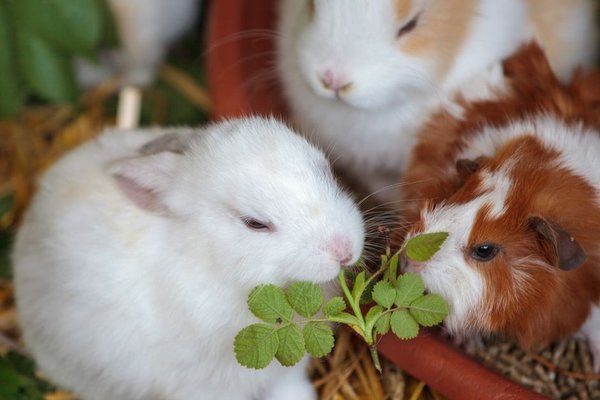
Choosing between a hamster, guinea pig, and rabbit can look simple until you compare what family life with each animal actually involves. All three are small pets, but they differ sharply in handling, social needs, space, lifespan, activity patterns, and adult involvement. The best first pet for kids is not automatically the smallest one. It is the animal whose needs fit your child’s age, household routine, and the level of care the adults are genuinely willing to provide.
Hamster vs guinea pig vs rabbit at a glance
Hamsters can suit families with limited space who are comfortable with a pet that is most active in the evening and at night. Guinea pigs are often easier for children to observe and gently interact with during the day, but they are social animals and should normally live with a compatible guinea pig companion. Rabbits can form strong bonds with people, yet they need much more space, specialist care, and long-term commitment than their size suggests.
Hamsters: compact, fascinating, and usually awake late
A hamster may seem like the obvious low maintenance small pet because it lives in a relatively compact enclosure and, depending on species, may be housed alone. Syrian hamsters in particular are solitary and should not live together. Daily care still includes fresh water, suitable food, spot cleaning, enrichment, health checks, and regular enclosure maintenance.
The biggest issue for children is timing. Hamsters are most active around dusk and overnight. A child who wants to play after school may find the hamster asleep, while waking it can cause stress and increase defensive biting. Hamsters are also quick and small, so handling needs calm hands and close adult supervision.
Pet hamsters commonly live around two to three years, depending on species and individual health. That shorter small pet lifespan may suit some families, but parents should consider whether a child is ready for the possibility of losing a pet after only a few years.
Guinea pigs: social pets with more daytime interaction
Guinea pigs are highly social and generally do best with another compatible guinea pig rather than living alone. Families should plan for the space, food, bedding, and veterinary costs of at least a pair. They also need a high-fibre diet and a dependable source of vitamin C because they cannot make their own.
Guinea pigs are active in short periods throughout the day and night, so children are more likely to see them awake. A confident guinea pig may learn household routines, call out when food is coming, and sit calmly for gentle, supported handling. Daily care includes hay, fresh food and water, spot cleaning, and health checks. They commonly live about five to six years.
Rabbits: rewarding companions with the biggest commitment
Rabbits are sometimes treated as easy cage pets for children, but that picture is misleading. They are intelligent, social animals that need generous living space, exercise, enrichment, a high-fibre diet, veterinary care, and suitable companionship. Keeping a compatible bonded pair is commonly recommended for their welfare.
Rabbits can be affectionate, use litter trays, learn routines, and respond to simple training. However, many dislike being lifted. They have powerful hind legs and a delicate skeletal structure, so struggling while being carried can lead to injury. Sitting on the floor and allowing a rabbit to approach is often safer and more rewarding for children.
Rabbits also bring the longest commitment here. Well-cared-for pet rabbits commonly live around eight to twelve years, sometimes longer. A rabbit chosen for a primary-school child could still be part of the family when that child reaches their teens.
Which pet is easiest for a child to care for?
No child should be expected to provide all care alone. A useful test is to imagine a normal Tuesday rather than an exciting first week. Who will provide food and water before school? Who will clean the living area when homework runs late? Who will arrange veterinary treatment during school hours? Adults need to be ready to take over whenever necessary.
Consider an eight-year-old who wants a pet they can calmly interact with at 4 p.m. A hamster may still be sleeping, while a guinea pig pair may be awake and responsive. Rabbits could also be active, but the family would need much more space and should teach floor-level interaction. In that household, guinea pigs may fit the child’s expectations better even though two animals mean more daily care.
How to choose the most kid friendly pet for your family
Choose a hamster if space is limited, your family understands nocturnal behaviour, and an adult can supervise careful handling. Choose guinea pigs if you have room for a suitable setup for a pair, want more daytime interaction, and can manage hay, fresh food, cleaning, and veterinary care. Choose rabbits if the adults genuinely want rabbits too, can provide substantial living space and companionship, and are ready for a commitment that may last a decade or more.
Age matters, but temperament matters too. Before adopting, spend time around the species if possible and watch how your child responds. The goal is to find an animal whose natural behaviour your family can respect.
FAQ
Is a hamster, guinea pig, or rabbit best for a first-time child owner?
For many school-age children, guinea pigs offer a useful balance of visibility, gentle interaction, and manageable size, provided compatible guinea pigs are kept together and adults remain responsible for care. Hamsters can suit children who are happy with evening interaction. Rabbits are usually a more demanding family pet rather than a simple starter pet.
Which of these pets needs the least space?
A hamster generally needs less total space than guinea pigs or rabbits, although it still requires a properly sized enclosure with deep bedding, enrichment, and room for natural behaviour. Guinea pigs need a larger horizontal living area, while rabbits need the most space for movement and exercise.
Which pet has the longest lifespan?
Rabbits usually live longest, commonly around eight to twelve years. Guinea pigs often live about five to six years, while hamsters commonly live around two to three years. Lifespan varies with genetics, husbandry, diet, and veterinary care.
Can young children pick up rabbits or guinea pigs?
Young children should always be supervised. Guinea pigs need secure support because they can be injured if dropped. Rabbits require especially careful handling and often prefer interaction on the floor rather than being lifted.
Choosing the right small pet
There is no universal winner in the hamster vs guinea pig vs rabbit decision. Hamsters fit smaller spaces but are active when many children are winding down. Guinea pigs can be engaging family pets but need companionship and steady daily care. Rabbits offer rich social interaction but demand the most space and years of commitment. Match the animal to your family’s real routine, not simply the size of the pet, and you are more likely to create a good experience for both your child and the animal.