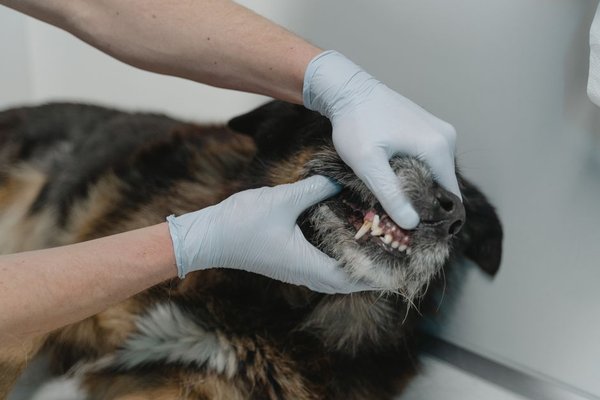
Dog dental care at home is one of those routines that looks small on a calendar but can make a noticeable difference to comfort over a lifetime. Oral health remains a major preventive-care focus in 2026 because plaque builds up quickly, gum inflammation can progress quietly, and many dogs continue eating even when their mouths hurt. The goal is not to create a perfect white smile. It is to slow plaque, notice problems early, and know when home care is no longer enough.
What happens when plaque is left alone?
Plaque is a soft film containing bacteria that forms on teeth. If it is not disrupted, minerals in saliva can harden it into tartar. The visible brown or yellow coating is only part of the problem: inflammation and periodontal disease can also develop below the gumline, where an owner cannot clean effectively at home.
Early dog gum disease may appear as red gums and persistent bad breath. As periodontal disease advances, the tissues and bone supporting teeth can be damaged, leading to pain, loose teeth and tooth loss. Small breeds and older dogs can be especially prone to significant problems, so their mouths deserve close attention during routine dog wellness checkups.
Build an at-home routine your dog will accept
The most effective routine is the one you can repeat without a wrestling match. Daily brushing is the ideal because plaque reforms quickly, but the first job is teaching your dog that having the lips and mouth handled is safe.
Start with handling before introducing a toothbrush
For the first few sessions, do not try to brush every tooth. Sit with your dog when they are calm, lift the lip for a second or two, reward, and stop. Once that is comfortable, rub a clean finger gently along the outer gumline. Then introduce a small soft-bristled pet toothbrush or another veterinary-recommended brush.
Use toothpaste made for dogs. Human toothpaste should not be swallowed by pets and may contain unsafe ingredients. Pet toothpaste is designed for oral use without rinsing.
Focus on the surfaces that matter most
Hold the brush at an angle toward the gumline and use small, gentle motions over the outside surfaces of the teeth. You do not need to force the mouth wide open. The cheek-side surfaces, especially the large back teeth, are often the easiest and most useful areas to reach.
Imagine a small terrier that tolerates only ten seconds of brushing at first. Clean the upper right side, reward, and finish. The next evening, work on the left. Over a couple of weeks, increase the session gradually until you can cover the mouth in one calm routine. Consistency is more valuable than trying to achieve a long, perfect brushing session on day one.
Where dental chews and other products fit
Dental chews for dogs can complement brushing, particularly for dogs that are still learning to accept a toothbrush. However, not every product marketed for fresh breath or dental health has evidence that it controls plaque or tartar. One useful shortcut is to look for products accepted by the Veterinary Oral Health Council, which reviews submitted evidence for plaque or tartar control.
Choose a chew appropriate for your dog’s size and follow the directions. Supervise chewing, especially if your dog tends to gulp large pieces.
A veterinarian may also suggest a dental diet, water additive, oral gel or wipe. These can support a routine, but they should not be used to ignore painful teeth, heavy tartar or inflamed gums. For more help choosing everyday chew items, see safe chew guide for dogs.
Know the signs that home care is not enough
Brushing prevents and slows plaque; it does not remove established disease below the gumline. If you see significant tartar, gum inflammation or signs of pain, the next step is a veterinary dental examination rather than harder scrubbing at home.
Watch for:
- Persistent bad breath that returns quickly after cleaning
- Red, swollen or bleeding gums
- Yellow or brown tartar along the gumline
- Drooling, pawing at the mouth or rubbing the face
- Dropping food, chewing on one side or avoiding hard food
- Loose, broken or discoloured teeth
- Facial swelling or obvious mouth pain
A professional dental procedure may include examination under anaesthesia, cleaning above and below the gumline, polishing and dental X-rays when indicated. Anaesthesia allows the veterinary team to examine and treat areas that cannot be assessed properly in an awake dog. If your dog has facial swelling, cannot eat normally, has a broken tooth or seems acutely painful, arrange veterinary care promptly. A broader signs your dog needs a vet visit guide can also help owners recognise when a routine concern has become urgent.
A simple weekly system for busy owners
Dental care becomes easier when attached to an existing habit. Keep the toothbrush near your dog’s lead or grooming supplies and brush after the final walk. Once a week, look at the gumline under good light.
- Daily: Aim for gentle brushing, even if some sessions are brief.
- As directed: Use an evidence-based dental chew or other veterinary-recommended product if it suits your dog.
- Weekly: Check for new redness, tartar, broken teeth, swelling or changes in breath.
- At veterinary visits: Ask for an oral assessment and discuss whether professional cleaning is needed.
If brushing is currently impossible, begin with handling and training rather than giving up. A few calm seconds repeated consistently can become a full routine surprisingly quickly.
FAQ
How often should I brush my dog’s teeth?
Daily brushing is the preferred goal because plaque accumulates rapidly. If your dog is new to brushing, build toward that frequency gradually. Regular brushing combined with suitable dental products is better than occasional aggressive cleaning.
Can dental chews replace brushing?
Usually, no. Dental chews can help reduce plaque or tartar when the product has demonstrated effectiveness, but brushing remains the most direct way to mechanically clean the tooth surface. Chews are best viewed as part of a broader home-care plan.
Can I scrape tartar off my dog’s teeth at home?
Do not attempt deep scraping or scaling at home. Visible tartar may be accompanied by disease below the gumline, and sharp tools can injure the gums or tooth surface. A veterinary dental exam is the safer route when hard deposits have formed.
When should a dog have a professional dental cleaning?
There is no single schedule that fits every dog. Your veterinarian should base the recommendation on the oral examination, age, breed, tartar, gum health and individual risk. Some dogs need professional care more often than others even with good home brushing.
Make dental care part of preventive care
The best dog dental care at home is preventive, gentle and consistent. Brush as close to daily as your dog can comfortably manage, choose dental products with credible evidence, check the mouth regularly, and treat changes in breath, gums or eating behaviour as useful health signals rather than cosmetic issues. Home care can slow plaque and support healthy gums, while veterinary dentistry handles the problems that a toothbrush cannot reach. Together, those two parts of care give your dog the best chance of keeping a comfortable, functional mouth for years.