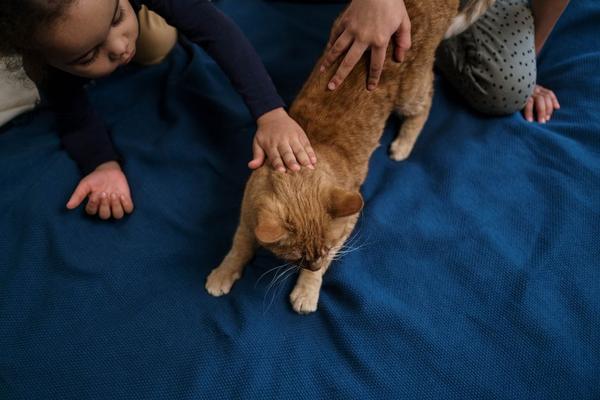
Choosing a cat for a home with children is about more than finding a breed that looks adorable in family photos. The best cat breeds for families with kids tend to be patient, sociable, adaptable, and comfortable with the noise and movement of a busy household. Breed is only part of the picture, though. A cat’s individual personality, age, health, socialization, and past experiences all shape how well it fits into family life.
For many households, the ideal family cat is affectionate without being overly demanding, playful without becoming easily overstimulated, and confident enough to recover from sudden laughter or a dropped toy. The breeds below are often associated with those qualities, making them strong options for parents looking for kid friendly cats.
What Makes a Cat Good With Children?
Cats good with children usually tolerate gentle handling, enjoy interactive play, and remain fairly comfortable with normal household activity. Confidence and patience are especially valuable because young children are still learning to read feline body language.
Even gentle cat breeds should never be expected to tolerate pulling, chasing, or rough play. Adults should supervise interactions and teach children to let the cat approach voluntarily. A suitable cat should also have quiet, child-free places where it can rest or retreat.
Best Cat Breeds for Families With Kids
Ragdoll
Ragdolls are known for their calm, affectionate nature. Many follow family members from room to room and enjoy settling nearby without demanding constant attention. Their relaxed temperament can work well with respectful children. Because they are large cats, children should be shown how to support their body correctly and avoid carrying them without adult guidance.
Maine Coon
Maine Coons are often friendly, playful, and easygoing. Their sturdy size and confident personality can suit active households, while their love of games makes them appealing companions for older children. They do need regular grooming because their long coats can become tangled or matted.
Birman
Birmans are affectionate, people-oriented cats that tend to play in a gentle way. Many adapt well to families where children interact calmly and respect their boundaries. Their silky coat requires routine brushing, but grooming can become a pleasant supervised activity for older children.
British Shorthair
British Shorthairs are typically calm, steady, and fairly independent. They may prefer sitting beside family members rather than being picked up, making them a good choice for children who can respect a cat’s personal space. Daily play is useful because this breed can be prone to becoming sedentary.
American Shorthair
American Shorthairs are adaptable, friendly, and generally easy to live with. They often balance affection with independence, which can make them practical family pets for busy households. Their short coats are relatively low maintenance, and many enjoy toys, climbing spaces, and short interactive play sessions.
Norwegian Forest Cat
Norwegian Forest Cats are large, intelligent, and often confident. They usually enjoy climbing and watching household activity from a high perch. Their playful nature can suit older children, although families should be prepared to provide a tall cat tree, secure vertical spaces, and regular brushing.
Abyssinian
Abyssinians are energetic, curious cats that like to be involved in family activity. They can thrive with older children who enjoy playing, training, and offering plenty of enrichment. They are less suitable for families seeking a quiet lap cat because they usually prefer movement, exploration, and frequent interaction.
Burmese
Burmese cats are social, affectionate, and playful. Many form strong bonds with family members and enjoy participating in games. Their outgoing personality can fit a lively home, but they may dislike being left alone for long periods and often need plenty of companionship.
Breed Is Not the Only Factor
Breed tendencies can help narrow the search, but they are never guarantees. A calm mixed-breed adult cat with a known history around children may be a better match than a purebred kitten whose personality is still developing. Shelters and foster-based rescues can often explain how a particular cat behaves around handling, noise, visitors, and other pets.
Age matters as well. Kittens are appealing, but they require frequent play, training, and supervision. Scratching and play-biting can be normal during development. An adult cat with an established personality may be easier for first-time owners because the family can better assess whether it is confident, gentle, and comfortable with children.
How to Introduce a Cat to Children
Give the cat a quiet starter room with food, water, a litter box, bedding, scratching surfaces, and hiding places. Allow it to settle before introducing everyone at once. Early meetings should be brief, calm, and supervised.
Teach children to use soft voices, offer a hand for the cat to sniff, and stroke the shoulders or back rather than touching the belly, paws, or tail. They should also learn warning signs such as flattened ears, a twitching tail, growling, hiding, or attempting to move away.
Every cat needs control over social contact. A high shelf, covered bed, or separate room gives it a safe place to decompress. Providing that choice reduces stress and makes positive family interactions more likely.
Questions to Ask Before Choosing a Family Cat
Consider the children’s ages, the household’s activity level, grooming expectations, and how much time the family can devote to play. Ask breeders or rescue staff about the cat’s temperament and previous experience with children. Responsible breeders should prioritize health and behavior, while reputable rescues should be open about each cat’s needs.
Families should also budget for veterinary care, food, litter, scratching posts, grooming supplies, and emergency expenses. Choosing the right breed is only the beginning; consistent care and respectful handling determine whether the relationship remains successful.
Frequently Asked Questions
What is the most kid-friendly cat breed?
There is no single best breed for every household, but Ragdolls, Maine Coons, Birmans, American Shorthairs, and Burmese cats are often considered good with children. Individual temperament is just as important as breed.
Are kittens or adult cats better for children?
Adult cats can be easier because their personalities are already established. Kittens can also become wonderful family pets, but they need more supervision, socialization, and patient training.
Should young children be left alone with a cat?
No. Young children should be supervised so adults can protect both the child and the cat, reinforce gentle behavior, and intervene if either becomes uncomfortable.
Can mixed-breed cats be good family pets?
Absolutely. Many mixed-breed cats are affectionate, patient, and adaptable. A shelter or foster carer may be able to recommend a cat whose personality is already well understood.
Choosing the Right Cat for Your Family
The best family cat is not simply the breed with the friendliest reputation. It is the individual animal whose energy level, confidence, care needs, and personality match the household. By meeting several cats, asking detailed questions, and teaching children to interact respectfully, families can make a thoughtful choice. With realistic expectations and proper supervision, both pedigree and mixed-breed cats can become loving companions for years to come.