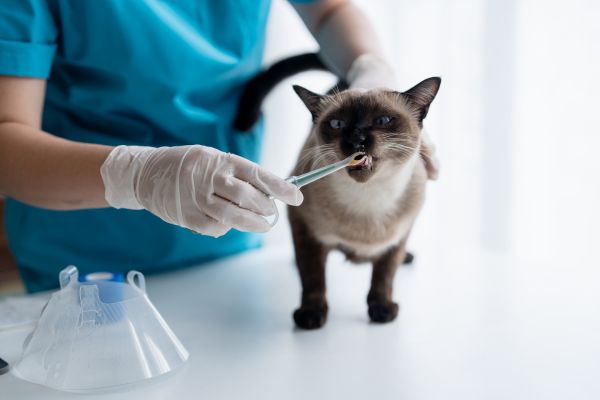
Bringing a pet home is an exciting milestone. Whether it’s a playful puppy, a curious kitten, or another small companion, the early days are often filled with discovery and adjustment. One of the most important steps during this period is scheduling the first veterinary appointment. For many pet owners, especially first-timers, that visit can feel a little uncertain. Questions arise about what to expect, what to bring, and how to keep the experience calm for both the animal and the owner.
Learning a few practical tips for first vet visit appointments can make the process smoother and far less stressful. With a bit of preparation and the right mindset, the first checkup becomes an opportunity to establish healthy habits that can benefit your pet for years to come.
Understanding the Purpose of the First Veterinary Visit
The first veterinary visit is more than a routine checkup. It’s a foundational moment in a pet’s healthcare journey. During this appointment, the veterinarian typically performs a full physical examination, evaluates the pet’s overall health, and begins building a medical record.
For young animals, the visit often includes discussions about vaccination schedules, parasite prevention, diet, and developmental milestones. Adult pets visiting a veterinarian for the first time may undergo baseline health assessments that help detect any underlying issues early.
Equally important, the appointment allows pet owners to ask questions. Every animal is different, and professional guidance helps clarify what’s normal behavior and what might require attention.
Choosing the Right Veterinary Clinic
Preparation begins before the appointment itself. Selecting a veterinary clinic that feels comfortable and trustworthy can shape your long-term experience as a pet owner.
Many people start by asking friends, neighbors, or local pet communities for recommendations. Others look for clinics with experienced staff, clean facilities, and clear communication practices.
Location also matters more than people initially realize. A nearby clinic makes routine visits easier and reduces travel stress for pets who may already feel nervous about car rides or unfamiliar environments.
Once you choose a clinic, calling ahead to schedule the appointment gives you an opportunity to ask about anything you should bring or prepare beforehand.
Gathering Important Information Before the Appointment
One of the most useful tips for first vet visit preparation is organizing your pet’s basic information ahead of time.
Veterinarians rely on accurate background details to understand an animal’s health. If the pet came from a breeder, shelter, or rescue organization, bring any available records. These might include vaccination history, deworming treatments, or microchip documentation.
It can also help to write down observations about your pet’s behavior. Notes about eating habits, sleep patterns, bathroom routines, or unusual behaviors provide valuable clues that a quick examination alone might not reveal.
If the pet has already been taking medications or supplements, the veterinarian should know that as well. Small details often contribute to a clearer picture of overall health.
Helping Your Pet Feel Comfortable Before the Trip
Animals respond strongly to unfamiliar environments. The veterinary clinic introduces new smells, sounds, and people, which can make even calm pets feel anxious.
Preparation at home can ease that stress. Allowing pets to become familiar with their travel carrier or leash before the appointment is helpful. Instead of bringing the carrier out only when it’s time to leave, place it in a familiar area a few days in advance so the pet can explore it naturally.
Short car rides before the appointment can also help. These practice trips help animals associate travel with neutral or positive experiences rather than only stressful ones.
Maintaining a calm attitude yourself can also influence your pet. Animals often pick up on their owner’s energy, so approaching the visit with patience and reassurance can make a noticeable difference.
What Happens During the First Examination
Walking into the clinic for the first time can feel unfamiliar, but the process is generally straightforward. Veterinary staff usually begin by gathering basic information about the pet, including age, breed, weight, and general lifestyle.
During the examination, the veterinarian may check several aspects of the pet’s health. This often includes evaluating the eyes, ears, skin, teeth, heart, lungs, and abdomen. Weight and body condition are also assessed to determine whether the animal is growing or maintaining a healthy size.
For young animals, the veterinarian may discuss vaccination timelines and preventative treatments. Parasite control is another common topic, as fleas, ticks, and intestinal worms can affect pets early in life.
The appointment often ends with time for questions. This is an ideal moment to discuss feeding routines, grooming needs, training tips, or any behaviors that seem confusing.
Asking the Right Questions as a Pet Owner
The first veterinary visit is not just for the pet—it’s also a learning opportunity for the owner. Many people leave the clinic wishing they had asked more questions.
Preparing a small list beforehand can help ensure nothing important is forgotten. Questions might focus on recommended foods, exercise levels, grooming schedules, or early warning signs of common health problems.
Veterinarians appreciate thoughtful questions because they show that an owner is engaged in their pet’s wellbeing. Even simple concerns can lead to helpful insights.
Building this open communication early helps create a trusting relationship between the veterinarian and the pet owner.
Managing Stress During the Appointment
Even well-prepared pets can feel uneasy during their first veterinary experience. Strange smells, unfamiliar hands, and new surroundings can trigger anxiety.
Staying close to your pet during the examination often provides reassurance. Gentle touch or calm verbal encouragement can help them relax.
In some cases, pets may squirm or resist being handled. Veterinary teams are trained to work safely with animals in these situations. Their techniques help keep both the pet and the owner safe while completing the necessary health checks.
After the visit, giving your pet time to decompress at home can help restore a sense of normalcy.
Establishing Long-Term Health Habits
One of the most valuable outcomes of a successful first appointment is the establishment of long-term care routines. Veterinarians often outline a schedule for vaccinations, wellness exams, and preventative treatments.
Regular visits allow health issues to be detected early, when they are often easier to manage. Over time, pets also become more familiar with the clinic environment, which can reduce anxiety during future appointments.
Consistency matters. Just as humans benefit from routine medical checkups, animals thrive when preventative care becomes part of their normal life.
Building Trust Between Your Pet and the Veterinarian
Animals remember experiences more than many people realize. A calm, respectful first visit can help build trust between the pet and the veterinary team.
Simple gestures—speaking softly, handling the animal gently, and offering reassurance—help create a positive association with the clinic.
When pets feel less threatened, examinations become easier in future visits. This trust allows veterinarians to perform more thorough assessments while keeping stress levels low.
Over time, many animals begin to recognize familiar staff members and routines, making each visit smoother than the last.
Learning From the Experience
Even with preparation, every first veterinary visit comes with a few surprises. Some pets remain calm, while others may become more vocal or restless than expected.
These experiences provide useful insight for the future. Owners learn how their pets respond to travel, handling, and unfamiliar environments. Those lessons can guide how future appointments are planned.
For example, some pets benefit from early morning appointments when clinics are quieter, while others respond better to extra time spent acclimating to their carriers.
The key is to treat the first visit as a learning experience rather than a perfect test of preparation.
Reflecting on the Importance of Early Veterinary Care
Preparing for a pet’s first medical appointment may feel like a small task, but it marks the beginning of a long relationship centered on health and care. Taking time to follow thoughtful tips for first vet visit preparation helps both owners and animals approach the experience with confidence.
A well-prepared visit allows veterinarians to understand a pet’s health from the start, while owners gain the knowledge needed to support their companion’s wellbeing. Over time, those early steps build a strong foundation for responsible pet care.
When approached with patience and curiosity, the first veterinary visit becomes less of an intimidating milestone and more of a meaningful step toward a healthy life together.