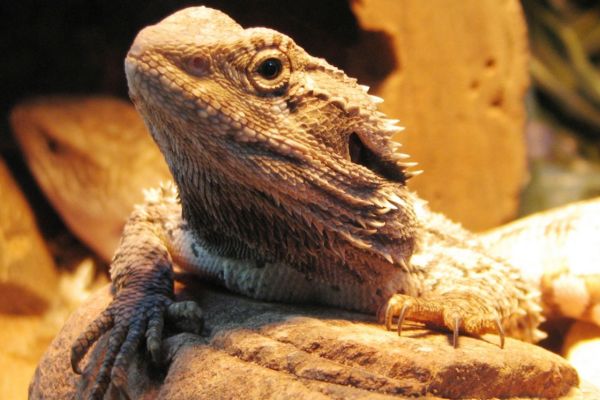
Caring for reptiles has a quiet, almost meditative quality to it. You begin to notice the small details—the way a lizard shifts under a heat source, or how a snake subtly adjusts its position as the day warms. These behaviors aren’t random. They’re driven by something essential: temperature and light. Getting both right isn’t just a matter of comfort; it’s the foundation of a reptile’s health.
Understanding reptile heating and lighting tips can feel overwhelming at first, especially with so much conflicting advice floating around. But once you grasp the core principles, everything starts to fall into place.
Why Heating and Lighting Matter So Much
Reptiles are ectothermic, which means they rely on external sources to regulate their body temperature. Unlike mammals, they don’t generate their own heat. This makes their environment everything.
Heat influences digestion, immune function, and activity levels. Without proper warmth, a reptile may refuse food, become sluggish, or even fall ill. Lighting, on the other hand, plays a role in behavior, circadian rhythms, and—depending on the species—vitamin D synthesis.
When both are balanced correctly, you’ll see it in your pet’s behavior. They’ll move with purpose, bask when needed, and settle into a natural rhythm that feels almost wild.
Understanding Temperature Gradients in Enclosures
One of the most important reptile heating and lighting tips is creating a temperature gradient. In the wild, reptiles move between warmer and cooler areas to regulate their body temperature. Your enclosure should mimic that.
A gradient typically includes a warm basking area and a cooler zone. The basking spot provides intense heat for digestion and activity, while the cooler side allows the reptile to rest and avoid overheating.
The key here is subtlety. It’s not about making one side hot and the other cold—it’s about creating a gentle range. Watching your reptile move between these zones can be surprisingly rewarding. It’s a sign that the setup is working.
Choosing the Right Heat Sources
There’s no one-size-fits-all solution when it comes to heat sources. Different reptiles have different needs, and even within the same species, preferences can vary slightly.
Heat lamps are among the most common options. They provide both warmth and visible light, making them ideal for diurnal reptiles that bask during the day. Ceramic heat emitters, on the other hand, produce heat without light, which can be useful for nighttime warmth.
Under-tank heaters offer another approach, gently warming the enclosure from below. These are often used for species that rely more on ground heat, though they should always be paired with careful monitoring to avoid overheating.
The trick is not just picking a heat source, but understanding how it interacts with the enclosure. Materials, ventilation, and size all play a role in how heat is distributed.
The Role of UVB Lighting
When discussing reptile heating and lighting tips, UVB lighting often comes up—and for good reason. For many reptiles, UVB exposure is essential for synthesizing vitamin D3, which in turn helps them absorb calcium.
Without it, serious health issues can develop over time. Bones may weaken, and metabolic disorders can appear, sometimes without obvious warning signs at first.
Not all reptiles require the same level of UVB, though. Desert species typically need stronger exposure, while some nocturnal or crepuscular reptiles may require less. Understanding your specific pet’s natural habitat can guide you here.
It’s also worth noting that UVB bulbs degrade over time, even if they still emit visible light. Regular replacement is part of responsible care, even if it feels a bit inconvenient.
Balancing Day and Night Cycles
Reptiles are deeply influenced by light cycles. In their natural environments, the transition from day to night signals changes in behavior, feeding, and rest.
Replicating this cycle in captivity is one of those reptile heating and lighting tips that’s easy to overlook but incredibly important. A consistent schedule helps maintain a reptile’s internal clock.
During the day, lighting should mimic natural sunlight, both in intensity and duration. At night, darkness should be respected. Constant light can disrupt sleep patterns and lead to stress.
If nighttime heating is necessary, non-light-emitting options are usually preferred. This allows the enclosure to stay warm without interfering with the reptile’s sense of day and night.
Monitoring and Adjusting Temperatures
Even the most carefully planned setup needs regular monitoring. Temperatures can fluctuate due to changes in room conditions, seasonal shifts, or even small adjustments in equipment placement.
Using reliable thermometers is essential. Ideally, you’ll measure both the basking spot and the cooler area to ensure the gradient remains consistent.
There’s a certain rhythm to this process. You check, adjust, observe, and then check again. Over time, you develop an instinct for what feels right. Your reptile’s behavior becomes a guide—subtle changes can signal when something needs tweaking.
Avoiding Common Heating Mistakes
It’s surprisingly easy to make mistakes when setting up heating. One common issue is overheating. Without proper controls, heat sources can create dangerously high temperatures, especially in smaller enclosures.
Another mistake is relying on a single temperature reading. A single thermometer won’t tell the full story. Gradients matter, and multiple readings give a clearer picture.
There’s also the temptation to guess. It’s understandable—numbers can feel abstract at first—but precision is important. Guesswork can lead to conditions that look fine on the surface but aren’t quite right underneath.
Patience helps here. Taking the time to measure, adjust, and observe pays off in the long run.
Lighting Placement and Distance Matters
Where you place your lighting can be just as important as the type of light you use. Distance affects intensity, and even small changes can make a noticeable difference.
A basking light positioned too close may create excessive heat, while one placed too far away might not provide enough warmth. The same goes for UVB lighting—distance influences how much exposure your reptile actually receives.
It’s a bit of a balancing act. You’re not just setting up equipment; you’re shaping an environment. Watching how your reptile interacts with that environment can guide your adjustments.
Seasonal Adjustments and Natural Variation
In the wild, conditions aren’t static. Temperatures shift, daylight hours change, and reptiles respond accordingly. While captive environments aim for stability, introducing slight seasonal variations can sometimes benefit certain species.
Shortening daylight hours during cooler months or slightly adjusting temperatures can mimic natural cycles. For some reptiles, this can even play a role in breeding behavior.
That said, these adjustments should be thoughtful and gradual. Sudden changes can cause stress, and not all species require seasonal variation.
Understanding Your Reptile’s Unique Needs
Perhaps the most important of all reptile heating and lighting tips is this: there’s no universal setup. What works for one species—or even one individual—might not work for another.
A desert-dwelling lizard will have very different needs compared to a tropical gecko. Even within similar environments, preferences can vary.
This is where observation becomes invaluable. Over time, you start to notice patterns—where your reptile spends most of its time, how it reacts to changes, and what conditions seem to bring out its natural behaviors.
There’s a quiet satisfaction in getting it right. Not perfection, exactly, but a kind of harmony between environment and animal.
Conclusion: Creating a Balanced, Natural Environment
Reptile care is, at its heart, about creating a world within a glass enclosure—a small, carefully controlled environment that echoes something much larger and wilder. Heating and lighting are the backbone of that world.
By focusing on temperature gradients, appropriate heat sources, proper UVB exposure, and natural light cycles, you’re not just meeting basic needs. You’re giving your reptile the conditions it needs to thrive.
It’s a process that takes time. There will be adjustments, small mistakes, and moments of uncertainty. But with patience and attention, the setup begins to feel right.
And when it does, you’ll see it reflected in your reptile’s behavior—in the way it moves, rests, and simply exists within the space you’ve created.