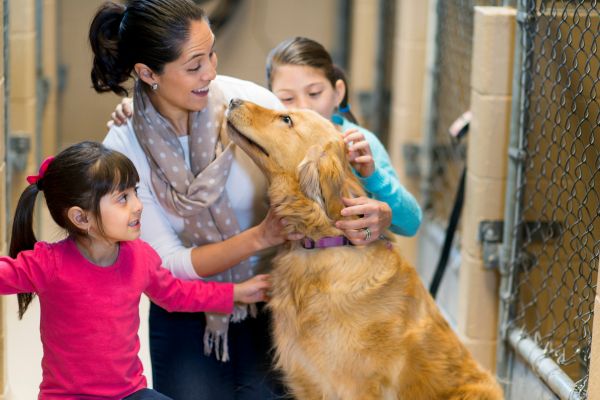
Bringing a pet into your life is one of those decisions that feels deeply personal and quietly powerful at the same time. It’s not just about companionship or filling a space at home—it’s about taking responsibility for another living being with needs, instincts, and a past you may not fully know. Ethical pet adoption tips matter because adoption is never neutral. The choices you make can either support humane practices or unintentionally fuel systems that put profit before animal welfare.
Ethical adoption isn’t about perfection or guilt. It’s about awareness, patience, and a willingness to look beyond convenience. Whether you’re adopting for the first time or welcoming another animal into your home, understanding what ethical adoption really means can shape a better outcome for both you and the pet you choose.
Understanding What Ethical Pet Adoption Really Means
Ethical pet adoption starts with recognizing that animals are not products. They are individuals with histories, personalities, and emotional needs. An ethical approach prioritizes the animal’s welfare before aesthetics, trends, or impulse.
This means asking where a pet comes from, how it was cared for, and why it’s being placed for adoption. Ethical adoption centers around transparency, humane treatment, and long-term responsibility. It also involves acknowledging larger issues like overpopulation, irresponsible breeding, and the strain placed on shelters and rescues.
When people talk about ethical pet adoption tips, they’re often pointing toward a mindset shift. Adoption is not a transaction; it’s a commitment that can last a decade or more.
Choosing the Right Adoption Source
Not all adoption sources operate with the same values. Ethical adoption begins with choosing organizations that put animal welfare first. Reputable shelters and rescue groups are usually upfront about an animal’s health, behavior, and background—even when the information isn’t ideal.
A responsible adoption organization will ask you questions, sometimes many of them. While this can feel intrusive, it’s often a sign they care deeply about placing animals in the right homes. Ethical organizations want to reduce returns, prevent neglect, and ensure each adoption has a real chance of success.
Be cautious of places that rush the process, avoid questions, or seem more focused on moving animals quickly than matching them carefully. Transparency is not a burden; it’s a sign of integrity.
Looking Beyond Appearances and Trends
One of the most overlooked ethical pet adoption tips is learning to resist trend-driven choices. Certain breeds, colors, or species become fashionable for a while, often due to social media or pop culture. This demand can lead to irresponsible breeding and increased abandonment once the novelty fades.
Ethical adoption encourages looking beyond appearances. The shy older dog, the mixed-breed cat, or the animal with minor imperfections often waits the longest for a home. These pets are no less deserving, and in many cases, they make deeply loyal companions.
Adopting with intention means focusing on compatibility rather than image. Your lifestyle, time, energy level, and living situation matter far more than a pet’s looks.
Understanding the Animal’s Needs and History
Every adopted pet carries a story, even if it’s incomplete. Ethical adoption involves taking the time to understand what an animal might need to feel safe and stable. Some pets come from neglectful environments, others from overcrowded homes, and some from owners who simply couldn’t continue caring for them.
Learning about a pet’s background helps set realistic expectations. A dog that’s anxious or a cat that hides at first isn’t broken; they’re adjusting. Ethical adopters recognize that patience is part of the responsibility.
This understanding also extends to species-specific needs. Exotic pets, high-energy breeds, or animals with medical conditions require specialized care. Ethical pet adoption tips often emphasize honesty with yourself about what you can realistically provide.
Avoiding Impulse Decisions
Impulse is the enemy of ethical adoption. That sudden emotional pull—the sad eyes, the cute face—can lead to choices that aren’t sustainable long-term. Ethical adoption encourages slowing down, even when emotions are strong.
Taking time to research, reflect, and prepare is not cold or detached; it’s responsible. Animals don’t benefit from rushed decisions that later result in surrender or neglect.
If you feel pressured to adopt immediately or fear losing an animal if you don’t act fast, pause. Ethical organizations understand that thoughtful decisions lead to better outcomes for everyone involved.
Considering Adoption as a Lifelong Commitment
One of the most important ethical pet adoption tips is remembering that adoption doesn’t end when you leave the shelter. It begins there. Pets rely on consistency, care, and stability throughout their lives.
This commitment includes routine veterinary care, proper nutrition, mental stimulation, and emotional attention. It also means planning for changes—moving homes, changing jobs, aging, or unexpected challenges.
Ethical adopters think ahead. They consider not only whether they want a pet now, but whether they can provide for one in five, ten, or even fifteen years. Responsibility doesn’t diminish with time; it deepens.
Supporting Ethical Practices Beyond Adoption
Ethical adoption doesn’t exist in isolation. The choices you make afterward also matter. Spaying and neutering, proper identification, and responsible training all contribute to reducing future abandonment and overpopulation.
Choosing ethical veterinarians, trainers, and caregivers supports a broader culture of animal welfare. Even the way you talk about adoption—encouraging others to consider it thoughtfully—can influence perceptions and behaviors.
Ethical pet adoption tips often extend beyond your own home, reminding us that animal welfare is a shared responsibility shaped by everyday decisions.
Recognizing Red Flags and Unethical Practices
Being an ethical adopter also means knowing what to avoid. Red flags include lack of medical records, refusal to allow questions, poor living conditions, or pressure to pay quickly without proper documentation.
Unethical practices can appear in many forms, sometimes disguised as rescues or informal rehoming arrangements. Ethical adoption requires discernment and a willingness to walk away if something doesn’t feel right.
Trust your instincts, but also rely on research and verified information. Protecting animals sometimes means refusing to participate in systems that harm them, even unintentionally.
Making Peace With Imperfection
Ethical adoption is not about finding a perfect pet or being a perfect owner. It’s about mutual growth. Pets make mistakes, and so do humans. What matters is the commitment to learn, adapt, and care consistently.
Many ethical pet adoption tips emphasize compassion—not just for animals, but for yourself. There will be challenges, moments of doubt, and unexpected lessons. These experiences are part of the relationship, not signs of failure.
Choosing adoption with an open heart and realistic expectations creates space for genuine connection.
A Thoughtful Ending to a Meaningful Choice
Ethical pet adoption is, at its core, an act of respect. Respect for animals as sentient beings, for the systems that protect them, and for the responsibility that comes with welcoming them into our lives. It’s not about saving or rescuing in a dramatic sense; it’s about showing up, day after day, with care and intention.
When guided by ethical pet adoption tips, adoption becomes more than a personal milestone. It becomes a quiet statement about values—about patience over impulse, responsibility over convenience, and compassion over trend. And in that thoughtful choice, both humans and animals stand to gain something lasting and meaningful.