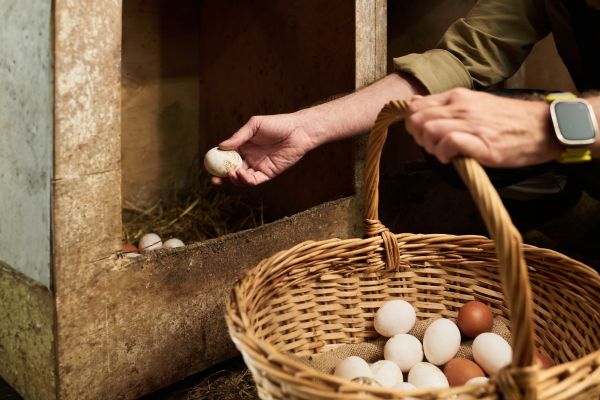
Few things are more satisfying for poultry keepers than opening the nest box and finding fresh eggs. Whether you manage a backyard flock or a larger farm setup, steady laying is often one of the clearest signs that birds are healthy, comfortable, and well managed. When production drops unexpectedly, however, frustration follows quickly.
Many people search for ways to achieve a chicken egg production increase, assuming one simple trick will solve the issue. In reality, egg output is influenced by several connected factors: breed genetics, nutrition, daylight hours, stress levels, housing quality, age, health, and seasonal change.
The good news is that most flocks respond well to thoughtful management. Chickens are remarkably consistent when their needs are met. Improving production is usually less about shortcuts and more about creating the right daily conditions.
Understand That Breed Matters First
Before adjusting feed or lighting, it helps to begin with genetics. Some breeds are naturally prolific layers, while others were developed more for meat, ornamental qualities, or dual-purpose use.
High-producing layer breeds and well-selected hybrids typically lay more consistently than heritage breeds chosen for broader traits. That does not mean one is better than another—it simply means expectations should match the birds you own.
A keeper expecting heavy production from a breed known for modest laying may think something is wrong when the flock is actually performing normally.
A realistic starting point prevents unnecessary frustration.
Nutrition Is the Foundation of Egg Output
If there is one factor most closely tied to a chicken egg production increase, it is balanced nutrition. Egg formation requires protein, energy, calcium, phosphorus, vitamins, and trace minerals. Deficiencies often show up first through reduced laying or weaker shells.
A quality layer ration designed for laying hens is usually the best base feed once birds are at laying age. Random kitchen scraps or mixed grains alone rarely meet full nutritional needs.
Treat foods can be enjoyable in moderation, but they should not replace complete feed. Too many extras may dilute the nutrients hens need most.
Think of eggs as a daily biological product built from yesterday’s diet.
Clean Water Is Non-Negotiable
Water is sometimes overlooked because it seems obvious, yet hens can reduce laying quickly if access is limited or water becomes dirty.
Eggs contain significant water content, and birds need steady hydration to maintain body systems and production. In hot weather, demand rises sharply.
Drinkers should be cleaned regularly and positioned where birds can access them comfortably. Frozen winter water or overheated summer containers can quietly affect output.
Many laying problems improve simply when water management improves.
Daylight Strongly Influences Laying
Chickens are highly responsive to light. Longer daylight hours often support stronger laying cycles, while short winter days commonly reduce production.
This is natural biology rather than failure. As daylight decreases, many hens shift energy away from peak laying.
Some keepers use supplemental lighting to maintain consistency, especially in managed production settings. If done, it should be introduced thoughtfully and with stable timing rather than erratic on-off patterns.
Even without added light, understanding the seasonal rhythm helps explain many production dips.
Reduce Stress Wherever Possible
Stress can lower egg numbers faster than many new keepers expect. Chickens are sensitive to disruption.
Common stressors include predator threats, overcrowding, sudden feed changes, aggressive flock dynamics, excessive heat, loud disturbances, rough handling, relocation, and persistent parasites.
A hen worried about survival is less focused on laying.
Calm routines, secure housing, gentle handling, and consistent management often support better production more than complicated supplements ever will.
Give Birds Enough Space
Overcrowding creates competition for feed, water, nesting areas, and resting space. It also increases feather pecking, stress, and disease pressure.
Hens lay best when they can move comfortably, perch naturally, and access nest boxes without conflict. If dominant birds block resources, quieter hens may eat less or avoid laying areas.
Space needs vary by housing style, but the principle remains simple: crowded birds rarely perform at their best.
Keep Nest Boxes Clean and Inviting
Sometimes eggs are being laid, just not where you expect. Dirty, poorly placed, or insufficient nest boxes may lead hens to hide eggs elsewhere or delay laying behavior.
Nest boxes should be clean, dry, dim enough to feel secure, and lined with comfortable bedding. They should also be available in adequate number for the flock.
Regular egg collection helps too. Some hens prefer clean boxes free of broken eggs or crowding.
A small management detail can have surprisingly large effects.
Watch for Molting Periods
Many keepers worry when a once-reliable hen suddenly stops laying and starts dropping feathers. Often, this is molting.
Molting is the natural process of replacing feathers, and it requires energy. During this period, hens commonly reduce or pause egg production while resources shift toward feather regrowth.
This stage can look dramatic, but it is usually temporary. Good nutrition and patience are often the best response.
Not every drop in laying requires intervention.
Age Changes Production Naturally
Young hens entering lay often increase quickly, then reach a strong productive period before gradually slowing with age. This timeline varies by breed and management.
Older hens may still lay quality eggs, just less frequently. If a flock contains many aging birds, overall totals naturally decline.
Sometimes the desired chicken egg production increase comes not from changing feed, but from understanding flock age structure and planning future replacements thoughtfully.
Health Problems Can Reduce Eggs Fast
Internal parasites, mites, respiratory illness, reproductive disorders, and general poor condition may all reduce laying.
Signs worth noticing include pale combs, weight loss, diarrhea, coughing, lethargy, limping, abnormal eggs, or sudden production collapse.
Routine observation is one of the most valuable farm skills. Chickens often show subtle clues before major decline.
When illness is suspected, veterinary or poultry health guidance is wise.
Heat Stress Is a Major Summer Factor
Hot weather can suppress laying significantly. Hens may pant, eat less, drink more, and redirect energy toward staying cool.
Shade, airflow, cool water, reduced crowding, and thoughtful coop ventilation can help during heat waves. Some keepers notice production returning once temperatures moderate.
Summer declines are common and not always a sign of poor management.
Feed Changes Should Be Gradual
Sudden switches between feeds can upset intake and routine. Birds often prefer consistency.
If changing rations, transitions are usually smoother when done gradually over several days. This allows hens to adapt while maintaining appetite.
Abrupt change sometimes creates a drop that owners mistakenly blame on the new feed itself rather than the sudden transition.
Observe the Flock Daily
The best producers are often attentive observers. They notice who eats first, who hangs back, whether shells changed texture, whether droppings look unusual, or whether one hen isolates herself.
Data matters, but daily observation matters too.
A flock usually tells you what it needs if you watch closely enough.
Conclusion
Achieving a reliable chicken egg production increase is rarely about secret formulas or miracle additives. It usually comes from fundamentals done well: nutritious feed, clean water, proper light, low stress, healthy birds, enough space, and realistic expectations based on breed and age.
Egg production reflects overall flock wellbeing. When hens feel safe, nourished, and comfortable, laying often improves naturally. In the end, the smartest path to more eggs is usually better care, not more complexity.