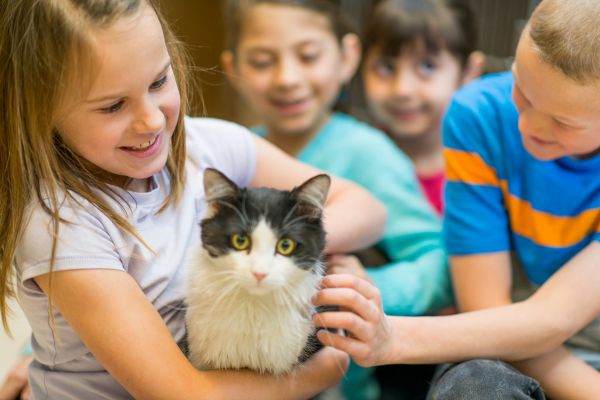
Finding a pet foster program is often something people stumble into rather than plan for. Maybe you saw a social media post about an overcrowded shelter. Maybe a friend mentioned fostering changed their life. Or maybe you love animals deeply but aren’t ready for a permanent commitment. Whatever brings you here, fostering sits at a powerful intersection of compassion, practicality, and purpose.
Pet fostering is not just about opening your home. It’s about creating breathing room in an overburdened system and offering animals a chance to heal, learn, and trust again. But before you welcome a wagging tail or a nervous pair of eyes into your space, there’s a process worth understanding.
This guide walks through the real-world experience of finding a pet foster program, what to expect, and how to decide whether it’s the right step for you.
Understanding What a Pet Foster Program Really Is
At its core, a pet foster program places animals into temporary homes while they wait for adoption, medical treatment, or behavioral assessment. Shelters rely on foster homes to reduce stress for animals who struggle in noisy kennel environments or need one-on-one care.
Fostering can last a few days, several weeks, or even months. Some animals need short-term care after surgery. Others are puppies too young for adoption or seniors who don’t cope well in shelters. Foster programs exist because shelters alone cannot meet every animal’s emotional and physical needs.
Finding a pet foster program means stepping into a support role, not replacing the shelter but extending its reach into the community.
Why People Decide to Foster in the First Place
Most foster caregivers don’t start with a grand plan. They start with curiosity. Over time, that curiosity turns into something more personal.
Some people foster because they want to help without committing to adoption. Others want to see what living with a pet is like before adopting long-term. Many simply feel pulled toward helping animals in transition, especially those who need extra patience.
There’s also a quieter reason people foster: it feels meaningful. In a world where many problems feel overwhelming, fostering offers something tangible. You can see the difference you make, often within days.
Where to Begin Finding a Pet Foster Program
The search usually starts locally. Municipal animal shelters, rescue organizations, and humane societies almost always operate foster programs, even if they don’t advertise loudly.
A quick online search using your city or region alongside “pet foster program” often reveals options. Community Facebook groups, neighborhood forums, and local veterinarians can also point you toward reputable programs.
When finding a pet foster program, pay attention to how clearly the organization communicates. Programs that explain expectations, support systems, and responsibilities openly tend to be better organized and more supportive.
How Foster Programs Typically Screen Volunteers
Most programs won’t hand you an animal after a single email, and that’s a good thing. Screening protects both animals and foster families.
You’ll usually fill out an application asking about your living situation, work schedule, experience with animals, and household members. Some programs conduct phone interviews or home visits, while others rely on detailed questionnaires.
This process isn’t about perfection. It’s about fit. Honest answers matter more than saying what you think they want to hear. A good foster program will place animals based on compatibility, not urgency alone.
What Support Foster Programs Usually Provide
One of the biggest misconceptions about fostering is that you’re on your own. In reality, most foster programs offer substantial support.
Veterinary care is almost always covered by the organization. Food, supplies, and medication are often provided as well, though this varies. Many programs also offer training resources, behavior guidance, and a dedicated contact person for questions or emergencies.
When finding a pet foster program, ask how communication works. Knowing who to contact and how quickly they respond can make a huge difference during stressful moments.
The Emotional Side of Fostering Animals
No one talks enough about the emotional layers of fostering. It’s rewarding, yes, but it can also be unexpectedly intense.
Watching an animal decompress, learn to play, or trust humans again is deeply moving. At the same time, saying goodbye can be hard, even when adoption is the goal.
Many foster caregivers describe a mix of pride and grief when an animal leaves. That emotional complexity is normal. Over time, most people learn that loving an animal temporarily doesn’t diminish the bond. It makes room for the next one who needs help.
How Time Commitment Really Looks Day to Day
Time commitment varies depending on the animal. A healthy adult cat may need little more than food, companionship, and observation. A litter of puppies requires near-constant supervision, cleaning, and socialization.
Before committing, think realistically about your schedule. Consider work hours, travel plans, and personal energy levels. A responsible foster program will match you with animals whose needs align with your availability.
Finding a pet foster program that respects your boundaries is just as important as your willingness to help.
Living Situations and Common Concerns
People often assume they can’t foster because of where they live. Apartments, rentals, and shared housing don’t automatically disqualify you.
Many programs work with landlords’ requirements or place animals suited to smaller spaces. Some focus specifically on cats or small dogs for urban environments.
Existing pets are another common concern. Most programs assess compatibility carefully and provide guidance on introductions. Transparency is key. Sharing details about your home helps programs make better matches.
Learning When You’re Ready to Foster Again
For many people, fostering becomes a cycle. You take a break, then feel ready again. That rhythm is healthy.
Burnout can happen, especially if you take on emotionally challenging cases back-to-back. Good foster programs encourage breaks and understand when you need time off.
Finding a pet foster program that treats foster caregivers as humans, not just resources, is a sign of a healthy organization.
How Fostering Impacts the Bigger Picture
While fostering feels personal, its impact is collective. Each foster home frees up shelter space, reduces euthanasia rates, and improves adoption outcomes.
Animals raised in foster homes often adjust better to permanent families. They’ve experienced normal household sounds, routines, and affection. That experience carries forward.
When you’re finding a pet foster program, you’re not just signing up for a role. You’re joining a quiet network of people holding the system together from the inside.
Recognizing When a Program Is the Right Fit
Not every foster program will feel right, and that’s okay. Trust your instincts. Look for transparency, respect, and responsiveness.
A good program values communication, listens to concerns, and adapts placements thoughtfully. You should feel supported, not pressured.
Finding a pet foster program is as much about your experience as the animal’s outcome. When both matter, everyone benefits.
A Thoughtful Way Forward
Fostering isn’t about being a hero. It’s about being present during a chapter of transition. Animals don’t need perfection. They need safety, patience, and consistency.
If you’re considering finding a pet foster program, take your time. Ask questions. Reflect honestly on what you can offer. The right program will meet you where you are.
In the end, fostering changes more than one life. It shifts how you see animals, commitment, and care itself. And even when a foster animal leaves your home, the mark they leave behind tends to stay.